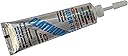
Platinum Fletch Tite 3/4oz
Product ID: 90948063
Details
- BrandBohning
- ColourClear
- Item formLiquid
- Item package quantity1
- MaterialEpoxy Resin
⏳2-3 min vane clamp time
🕒15-20 min feather clamp time
🪶Strong bond with wood, fiberglass, carbon
Desertcart purchases this item on your behalf and handles shipping, customs, and support to Morocco.
🪶 Stick with the best—fletch like a pro, fly like a champion!
Bohning Platinum Fletch Tite 3/4oz is a professional-grade epoxy resin adhesive designed for archery enthusiasts seeking a fast, strong bond with wood, fiberglass, or carbon shafts. Featuring a quick vane clamp time of 2-3 minutes and feather clamp time of 15-20 minutes, it ensures durable fletching that lasts. Its low viscosity formula allows precise application, making it a top choice for serious archers aiming for consistent arrow performance.


| Asin | B000QGKHA6 |
| Best Sellers Rank | 117,851 in Sports & Outdoors (See Top 100 in Sports & Outdoors) 22 in Archery Fletches |
| Brand | Bohning |
| Colour | Clear |
| Compatible Material | Carbon Fibre, Fibreglass, Wood |
| Container Type | Tube |
| Customer Reviews | 4.6 4.6 out of 5 stars (2,420) 4.6 out of 5 stars |
| Full Cure Time | 48 Hours |
| Global Trade Identification Number | 00010847013019 |
| Item Form | Liquid |
| Item Package Quantity | 1 |
| Item Volume | 0.75 Fluid Ounces |
| Item Weight | 23 g |
| Manufacturer | Bohning |
| Manufacturer Part Number | 1301 |
| Material | Epoxy Resin |
| Model Number | 1301 |
| Number Of Pieces | 1 |
| Unit Count | 22 gram |
| Upc | 682055370538 796254172692 010847013019 |
| Viscosity Level | Medium |
User
Absolutely brilliant stuff. I've never had a feather come off ...
Absolutely brilliant stuff . I've never had a feather come off since using this stuff. One tube lasts for ages too . I've lost count of the arrows I've fletched so far.
User
Quick Delivery.
Quick delivery. Good product.
User
Good ine
Very good
User
Not great
Not great.
User
Glue
Useless
User
Way over priced
The glue is ok for fletchings, but way over priced, any decent archery store in the UK you can get this from £5 if you find the right one Custom Built Archery
User
Sticks......eventually....for a while.....
Got a tube with a fletching jig bought from Amazon Used for fletching wooden arrows glue took forever to set meaning the process of fletching took an age and when used in the field I lost feathers and many seemed to be slipping used Gorilla glue gel instead to refletch and no issues so far and the glue set quickly!!
User
Bohning archery glue
Shipping fast, arrived while I was away, good archery glue for fletching, nocks and repairs.I hit a wall when the arrow went over the top of my target so this is the best stuff to repair the nock and the arrowhead.
User
Klebt sehr gut. Durch Spitze gut zu verarbeiten.
Habe Naturfedern auf Carbonschäfte geklebt. Trocknungszeit 5 Minuten pro Feder, dann 24h liegen gelassen.Dunne Spitze hilft beim verteilen.
User
Some of the best there is
It seems these days archery glue merchants try to get 10 to 20 bucks for a small quantity of glue that probably costs less than 25 cents to manufacture. I paid 6 bucks for this tube, so it was far cheaper than the other glues on the market. I've noticed several merchants here trying to sell this same glue for over twelve bucks a tube, which is ridiculous.I have used various glues through the years and this stuff is good-- IF one follows the instructions. Those instructions are simple: PREPARE THE SHAFT BEFORE APPLYING THE GLUE. I like to use very fine sandpaper and then another acetone or denatured alcohol rinse. Make sure the shaft is perfectly clean and dry. Then I apply the vanes, ALLOWING ENOUGH TIME TO DRY. I suggest a good 10 minutes before releasing clamps... and then this glue has a 48 hour full-cure time. Don't try to skimp on that cure time. If you do, it's not the glue's fault if vanes come off. Once it cures it holds like iron... for years. A vane will tear and rip before that glue lets loose.ONE TRICK I like to do is: once the vanes are on the shaft and set, I put an entire FULL RING of glue around the front and back of the vane, covering the vane tip and rear. Use some saliva or water on your fingertip to "flatten" the glue ring (doesn't hurt the glue and that way it won't stick to your finger). That way if the vane does hit something, the glue takes the brunt of impact instead of the front of the vane. Doing this... there's no need to 'string wrap' your vanes unless you just want the look. (If you do string wrap, put a coating of this glue over the string when you're done. Holds forever.)That's it. That's a fool-proof method for getting vanes or feathers to stick to any kind of shaft forever (carbon, graphite, aluminum, wood). If you don't cut any corners, those vanes or feathers will stay adhered longer than the arrow itself will last.This is the best glue I've found for vanes and fletchings, but also works with a whole bunch of other materials: wood, metal, plastic, glass and more. Unlike super glues it doesn't crystalize over time, but retains its consistency and holds very well, for years. I have some arrows that I fletched 20 years ago with this stuff and it's still holding.That said, you can go down to your local dollar store or hardware store and buy standard clear household glue that will work just as well for fletching arrows... and will cost a whole lot less. So why do I use Fletch Tite? Because I absolutely know it will work, no questions. That said, just for the fun of it my next set of arrows I'm fletching with clear handyman glue. At my age it doesn't have to last 25 years. ; )Understand that with all such glues you have to give them their full curing time. I noted one user here only allowed 24 hour drying time on this glue on dozens of arrows-- and then complained about all his vanes coming off. The manufacturer clearly states 48 hours for full cure. That's a drawback, but it's also the reality for this kind of glue. Take that time seriously, be patient, and you won't lose vanes. It's that simple.The problem with quick-drying super glues is that they crystalize over time, then the vanes will start shredding all at the same time. You'll be at a competition or practicing, and suddenly the arrows that worked perfectly well the week before will start losing their vanes all at once, because the glue crystalizes with considerable predictability.The one drawback of FletchTite is that it tends to dry out in the tube. One trick is when you first use the glue, open the top (with a nail or whatever), attach the tip, tap the tube with your fingers several times to get air bubbles to the top and squeeze the tube slightly to get the air out of the tube. You don't want air inside the tube or your tube life will degrade considerably. Do this after each time you use the glue; get the excess air out of that tube. It doesn't hurt to squeeze a little glue into the cap before putting it on the applicator. That keeps air out of the tip, and the dried glue is easily removed from the vinyl tip.This is simply the best there is for what it does. For putting vanes on arrows, I've found nothing better.
User
Good stuff
Great adhesive just make sure you clean the surface of the arrows with a good alcohol or acetone
User
Pega con fuerza
Tal como se ve. Lo abri hace mas de un mes y sigue bien
User
Kleber
Klebt super
Trustpilot
2 months ago
3 weeks ago