
Buy anything from 5,000+ international stores. One checkout price. No surprise fees. Join 2M+ shoppers on Desertcart.
Desertcart purchases this item on your behalf and handles shipping, customs, and support to Morocco.
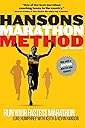
Run your first marathon or your fastest with Hansons Marathon Method , the revolutionary training program from one of the best running teams in the world, the Hansons-Brooks Distance Project. In Hansons Marathon Method , the coaches of the Hansons-Brooks Distance Project reveal their innovative marathon training program that has helped thousands of runners become true marathoners and smash their personal bests. Hansons Marathon Method tosses out mega-long runs and high-mileage weekends--two old-fashioned running traditions that often injure and discourage runners. Runners using the Hansons method will gradually build up to the moderate-high mileage required for marathon success, spreading those miles more sensibly throughout the week. Running easy days mixed with precisely paced speed, strength, and tempo workouts, runners will steel their bodies and minds to run the hardest final miles of the marathon--and finish strong. In this new second edition, the Hansons program welcomes newer runners with a new Just Finish program featuring a simple schedule of easier running and lower mileage. The Just Finish program sets up first-time marathoners for an enjoyable marathon and a lifetime of strong, healthy running. Hansons Marathon Method will prepare you for your best marathon: Sensible weekly mileage based on science, not outdated traditions Effective Hansons speed, strength, and tempo workouts paced to achieve your goal Crucial nutrition and hydration guidelines to run strong for the whole race A smart and simple Just Finish program for new runners and marathon first-timers Detailed training schedules for experienced and advanced marathoners This revised second edition answers frequently asked questions, shows how to integrate flexibility and strength work into your training week, and shares the most effective recovery methods. Using the Hansons’ innovative approach, you will mold real marathon muscles, train your body to avoid the wall, and finish strong. Hansons Marathon Method lays out the smartest marathon training program available from one of the most accomplished running groups in the world. Using their innovative approach, runners will mold real marathon muscles, train their body to never hit the wall, and prepare to run their fastest marathon. "You might expect a training program devised by the Hanson brothers to be a little different than the usual rehashing of principles and schedules. Given the success of athletes from the Hansons-Brooks Distance Project, you wouldn’t be surprised if it was effective, too."— Runner’s World Review: Very pleased with the training program! - In short, this training program WORKS! I think it would be difficult to say that one training program is better than another because we can't have two programs at the same time and in the same conditions to compare with, but I was very pleased with the results of this program. I used it to train for my second marathon. The first one I ran in 3:19:40 and the second one in 2:58:33. Would I have done a similar performance, had I used a different training program, who knows? All I'm saying is that this program worked quite well. What you can expect from this program: - lot's of miles, on an average of 50-60 mi weekly, 6 days a week. This, for me, meant a lot of early morning rises, pounding the pavement :) - a hard (tempo) run of up to 10 mi (+ warmup, cooldown) every week. It was the hardest run of the week. - a weekly interval (speed) run. This, for me, was the next hardest workout. - the longest run is 16 mi - many slower, quite relaxing runs in between How the race went: - I never felt I "hit the wall". It was rather a gradual decrease of energy with a boost during the finishing miles. The race was a slight positive split, first half at 6:45 pace/mi and second half at 6:51 pace/mi - I felt very well after the race. The next day I felt only slight muscle soreness, the second day barely anything and by the third day as good as nothing. I was very pleasantly surprised. Maybe it was training in the hills and running the race in a flat area; maybe it was the many training miles and the cumulative fatigue, I don't know... But I remember feeling very sore after my first marathon but barely anything now. - As a note: I followed the training program "religiously", only missing one speed training run because of travels. I feel this is very important, as the authors clearly state, so as to gain the cumulative fatigue effect. What I liked about the book and the program: - besides the training method, the book includes a lot of information regarding the science behind running, not missing any topic (that I could think of) - basically no injuries during the training or after the race - confidence for the race day, because of the many weekly miles, despite 16mi the longest run What was hard: - waking up so many early mornings :( sometimes wishing I just could take the day off... - the weekly tempo run of 10mi at marathon pace was quite difficult, but no pain - no gain. In the end it for sure paid off. As a comfort though, the closer it got to the race day, the easier the training runs became as my body got more accustomed to the workouts. - Hanson's marathon method includes a pacing chart (for all the different types of runs) but the most difficult decision was what marathon pace (or finishing time) I should choose. You first decide what finishing time you'd like and the program gives you the paces at which you should run all the different runs, in order to achieve that finishing time. I started with training at 6:40 marathon pace/mi. I could keep that for a 10 mi run, but could I keep it for 26 miles? As time went on I felt it was too much effort, so I settled for a 6:45-6:50. Since it was the first time I used the program, there was indeed some faith involved - that the authors know what they're talking about. In the end my marathon pace was 6:50, so I can say that it was very close to my training / prediction time. I know that there are detailed recommendations in the book as to how you should pick your marathon pace, but it can still be a bit difficult to make that decision. From my experience, I would say that if a month before the race, you're you're pushing near 90-100% effort / or perhaps as in my case, you're dreading the threshold run too much! realistically, you're probably overdoing it and should choose a little slower pace. Good book! Enjoy your running! Review: I Am Pumped - I eagerly anticipated the Hansons Marathon Method: Run Your Fastest Marathon the Hansons Way, and it has truly transformed my approach to marathon training. The book's structured, high-mileage training plan is both challenging and rewarding, emphasizing endurance through tempo and interval workouts. One of the standout features is the capping of long runs at 16 miles, which, combined with higher weekly mileage, effectively simulates the fatigue experienced in the later stages of a marathon. This approach has significantly improved my stamina and race preparedness. I am already smashing PR without much effort, and I am looking forward to completing the full advance plan.


| Best Sellers Rank | #62,381 in Books ( See Top 100 in Books ) #13 in Track & Field Sports #49 in Sports Training (Books) #55 in Running & Jogging (Books) |
| Customer Reviews | 4.7 out of 5 stars 906 Reviews |
A**I
Very pleased with the training program!
In short, this training program WORKS! I think it would be difficult to say that one training program is better than another because we can't have two programs at the same time and in the same conditions to compare with, but I was very pleased with the results of this program. I used it to train for my second marathon. The first one I ran in 3:19:40 and the second one in 2:58:33. Would I have done a similar performance, had I used a different training program, who knows? All I'm saying is that this program worked quite well. What you can expect from this program: - lot's of miles, on an average of 50-60 mi weekly, 6 days a week. This, for me, meant a lot of early morning rises, pounding the pavement :) - a hard (tempo) run of up to 10 mi (+ warmup, cooldown) every week. It was the hardest run of the week. - a weekly interval (speed) run. This, for me, was the next hardest workout. - the longest run is 16 mi - many slower, quite relaxing runs in between How the race went: - I never felt I "hit the wall". It was rather a gradual decrease of energy with a boost during the finishing miles. The race was a slight positive split, first half at 6:45 pace/mi and second half at 6:51 pace/mi - I felt very well after the race. The next day I felt only slight muscle soreness, the second day barely anything and by the third day as good as nothing. I was very pleasantly surprised. Maybe it was training in the hills and running the race in a flat area; maybe it was the many training miles and the cumulative fatigue, I don't know... But I remember feeling very sore after my first marathon but barely anything now. - As a note: I followed the training program "religiously", only missing one speed training run because of travels. I feel this is very important, as the authors clearly state, so as to gain the cumulative fatigue effect. What I liked about the book and the program: - besides the training method, the book includes a lot of information regarding the science behind running, not missing any topic (that I could think of) - basically no injuries during the training or after the race - confidence for the race day, because of the many weekly miles, despite 16mi the longest run What was hard: - waking up so many early mornings :( sometimes wishing I just could take the day off... - the weekly tempo run of 10mi at marathon pace was quite difficult, but no pain - no gain. In the end it for sure paid off. As a comfort though, the closer it got to the race day, the easier the training runs became as my body got more accustomed to the workouts. - Hanson's marathon method includes a pacing chart (for all the different types of runs) but the most difficult decision was what marathon pace (or finishing time) I should choose. You first decide what finishing time you'd like and the program gives you the paces at which you should run all the different runs, in order to achieve that finishing time. I started with training at 6:40 marathon pace/mi. I could keep that for a 10 mi run, but could I keep it for 26 miles? As time went on I felt it was too much effort, so I settled for a 6:45-6:50. Since it was the first time I used the program, there was indeed some faith involved - that the authors know what they're talking about. In the end my marathon pace was 6:50, so I can say that it was very close to my training / prediction time. I know that there are detailed recommendations in the book as to how you should pick your marathon pace, but it can still be a bit difficult to make that decision. From my experience, I would say that if a month before the race, you're you're pushing near 90-100% effort / or perhaps as in my case, you're dreading the threshold run too much! realistically, you're probably overdoing it and should choose a little slower pace. Good book! Enjoy your running!
R**B
I Am Pumped
I eagerly anticipated the Hansons Marathon Method: Run Your Fastest Marathon the Hansons Way, and it has truly transformed my approach to marathon training. The book's structured, high-mileage training plan is both challenging and rewarding, emphasizing endurance through tempo and interval workouts. One of the standout features is the capping of long runs at 16 miles, which, combined with higher weekly mileage, effectively simulates the fatigue experienced in the later stages of a marathon. This approach has significantly improved my stamina and race preparedness. I am already smashing PR without much effort, and I am looking forward to completing the full advance plan.
B**M
Great Workouts, Good overall Guidance, some bits left unexplained or lacking context.
After studying plans from Hal Higdon, Jack Daniels, Matt Fitzgerald, and Pete Pfitzinger, I chose to train for my first marathon with the Hansons Beginner plan. My main reason was the simplicity and variety of the workouts. They are easy to implement for beginners yet progress logically. I have experienced how difficult it is to pace workouts correctly if they combine accelerations or intervals of different lengths in the same session, like pyramid-style workouts. The Hansons basically ask you to run Marathon Pace for weekly tempo runs and slightly faster for interval-like sessions ("strength workouts"). Those sessions vary by length and repetition count from week to week, but it's easy to get used to and hit the paces. I was always working hard in the workouts but never overdoing it. There's also a good amount of background information in this book that explains their philosophy and some limited exercise physiology. With some of it, they make claims that sound scientific but provide neither proof nor reference. For example, as noted by many, their plans stand out due to shorter long runs but more overall mileage and two workouts per week (many plans do one or combine one with the long run). That's simply what the plan does, and it clearly works for lots of people and many like it, myself included. They claim that the approach is superior and reduces injury risk. I doubt that claim has been proven in any systematic way, nor has it convinced every coach. Other plans with different approaches clearly also work for many. Injury often comes from too much too soon, and there's simply more than one way to regulate your weekly training load. A few things are odd or unexplained: Everything here is based on your marathon goal pace. But most coaches (including Ben Rosario, who wrote the intro!) say that you have to start your training from where you are today, not from where you want to be in four months. Perhaps the plan implicitly does that, but a lot can change for a beginner within one training cycle, and you may not find it easy to set a goal pace so far ahead of time. Yes, there's some help in the book, but it could involve some trial and error. Another strange thing is the big mileage jump in the beginner plan in week 6. They explain how to adjust the plan to avoid the jump, but you are left puzzling why they chose to include it in the first place. I also have doubts about their guidance on hydration. They provide a sweat loss calculator and claim that you should aim to fully replace lost fluid during the race, which is contradicted in newer books like Hutchinson's Endure. They also warn about performance loss without distinguishing between sweat loss and dehydration. If you lose water that was bound to carbs, then you are not dehydrated, nor can you fully replenish that while running and it's a significant contribution to sweat. You can still try their hydration plan in training and see if it works. For me, it only led to unnecessary bathroom breaks, so I decided to go by thirst—as many newer sources recommend. When it comes to exercise physiology and sports medicine, I worry that the book sometimes overstates its case. If you want to dive deeper you may want to look for other sources.
A**R
Have a marathon under your belt? Want to get faster? Follow this plan.
I ran 3:58 at NYC in '19 and went all-in for the Advanced Plan in 2020, following the workout schedule and pacing like the rule follower that I am, and ran a 3:41 as a result. My slowest mile was mile 1. I recommend this book for someone who has at least one marathon under his or her belt, and is looking to take his or her training to the next level. The concept of cumulative fatigue is real. For years, I was a 4 day a week runner. Finally worked up to a marathon, but still at the 4 day a week habit, meaning the 16-18 weeks of marathon training included roughly 500 miles of running. This book changed my mindset. 2 focused workouts / week. 2-3 easy runs, and by easy the pace is almost uncomfortably easy...but it's about the miles. Determined to run 26.2 in 2020, in August I stuck a pin on a date in December and got to work. 18 weeks and almost 900 miles later, I ran 17 minutes faster than in 2019 and scored a 12 minute PR. I did not incorporate much of the strength training or nutritional information into my training, but it was a very interesting read. I did use some of the dynamic stretching, and the geek in me liked all the math around caloric needs and deficiencies. You know if you're serious about upping your marathon game. This is too much info for someone looking to "just finish", and for the 3:00 runner the law of diminishing returns applies...that's where a personal coach comes in. This book is ideal for those in between, with at least one marathon completed, looking to improve performance.
D**.
Marathon PR achieved - worth a try but it is quite a commitment
Having run regularly for over 6 years, I have had the opportunity to compete in 10 marathons and tried a number of marathon plans. During this time I've tried the free 18-week plans available on the internet; run less, run faster; and I have even worked with a live coach. Up until yesterday, the only plan that helped me to achieve the most success was the one led by the live coach but after going back to him for my next marathon, I definitely found that there were limitations to how much he could help me (unless I was willing to pay him a lot more for his constant attention). Now, I have to give the Hanson's Marathon Method it's due. Yesterday, the beginner's plan helped me to achieve an all-time marathon PR by nearly 8 minutes (sub-4 hours - finally!) at the recent Chicago Marathon. I had my doubts at first but the formula is pretty straight forward - run a ton (for me it was about 850 miles logged over a 20-week period). It gets a little more complicated than that, but that's the gist. I recommend this plan to anyone who is looking for an effective way to improve your marathon running results. It covers all aspects of training and preparing for the marathon, so if anything, it is a great reference. Personally, I look forward to tackling the advanced plan (the plan calls for nearly 10-25% more mileage than the beginner's plan) for my next fall marathon. As with any endeavor, the amount of work you put in is equal to what you get out of it. I probably followed 90% of the beginner plan to the "t" but life got in the way in the last two weeks before the Marathon and I think that may have negatively affected my results - I think I could have run significantly faster. P.S. I just ran the 2017 Berlin Marathon and trained using the beginner plan again but at a faster pace. As a result, I PR'd by another 4 1/2 minutes. If I ever have enough time to run the advanced plan, I'm sure I'd be able to see even greater gains.
M**D
This Plan Works
I'm an experienced marathoner (14 previously) who was looking for a structured training plan to follow for the first time. With this plan, my PR went from 4:20 in March (Atlanta) to 3:51 in October (Chicago). The plan itself is definitely a time commitment--you should be able to schedule in runs 6 days a week. At the same time, it's flexible--moving the workouts/rest day around during the week is possible with a little planning, and missing a day here and there isn't the end of the world. I liked the speed and strength workouts in addition to the tempo and long runs which provide a nice change of pace (pun a little intended), and I could definitely feel the benefits of these workouts on race day. I think the biggest strength of this program is the mental training that comes with the physical training. Each mile seems shorter when you're out there almost every day, and once you've made it through tough training workouts, you know you can make it through the few hours on race day. I didn't use every part of this book, but it is comprehensive. When I wanted more information on a workout, it was there. There is also plenty of information beyond the plan such as warm-ups, stretching, race planning, diet, shoes, and much more. I would definitely recommend this book for anyone who is willing to put in the time and hard work for their marathon goals.
M**K
The method works.
To put it bluntly im obsessed with running and this method. My first marathon I used Higdon. Now I’m on my third trip through Hanson and it keeps getting better. Once you know what to expect the obsession deepens. Make it through this plan and you will be a beast hungry for more. Make it thru the plan several times and you may find yourself in Boston. I have many running books. This is the one most dog eared with sweat, blood, and god knows what else. Luke has many great videos that expand on the basic knowledge. Game face up on Tuesday and Thursday. Sleep 8-9 hours is mandatory. Eat enough. Get to your racing weight, or close, before the program starts. Enjoy the easy runs and run them slow. Perform self massage and get a massage therapist. All of these things combined and you will strike pay dirt. Or just become an obsessive addict. The best book. The training Bible. Good luck and see you all at the starting line
M**B
Must have resource for running first marathon
This book was perfect for me in preparing me both mentally with a solid plan on all the areas of running a marathon: physiology (explained why the plan was designed this way), hydration goals, and of course training/programming. The pace charts and race equivalency charts were unbelievably accurate which gave me a gameplan on what to expect for timing for the marathon. It was my first marathon ever, and as someone who is an average athletic build and definitely not a “runner” this took me to a sub 4 hour marathon. And better still, when I ended I felt like I could have ran 10 more miles and I never once sustained an injury, which is a remarkable feat. If anyone wants to build up to a marathon, I always recommend this book. And I’m thankful for the runner who recommend this to me.
K**Z
Livre intéressant pour marathon.
Reçu en bon état et dans le temps. Intéressant pour planifier un marathon.
S**P
Hard work but worth it
I have had this book since December and have been holding off writing a review until I see how well it works. It works well but you do have to put a lot of work in. Firstly, I found it to be an interesting read, as someone with no sports science background I found the content, interesting, easy to read and understand and written to help you understand why there are different types of run in the plans provided. If you have a sports science background I doubt you will learn anything new from the science content. Once ready to start training I picked the appropriate plan and targets and work back from my planned marathon to determine the start date. I started the Beginners plan early January with the aim of cracking the 4-hour barrier. Think of the beginner plan as an intermediate level plan, it is not something I would recommend without some previous distance running experience. All of the timings in the book are minutes per mile so I converted them to minutes per km and put everything into Excel. The key things to be aware of with the plans is that they involve running six days a week, which for some could be difficult to fit into everyday life, and as a result, the training plan as a whole is pretty intense. The plans themselves are a mix of slow, tempo & long runs as well as speed and strength intervals, all ran at a variety of paces based on your target marathon finish time. I followed the plan pretty strictly except for needing to taking a couple of weeks off during the 18-week plan but with no ill effects. When it came to marathon day I felt better prepared than I have ever done and ended up knocking 26 minutes off my PB with a finish time of 4 hours 6 minutes. I was hoping for sub-4 but if I am being honest, despite best intentions, I ran the 35km slightly too fast with the result of suffering from calf cramps during the last 7km resulting in missing out on sub-4. I would very much recommend this book and the plans within, although, if you do not have the time to run 6 days a week, it might not be for you.
N**V
Fantastic !
One of the best books on marathon training !
M**O
lo sto usando e sono alla terza settimana
Lo consiglio vivamente sia a chi vuole correre la maratona per la prima volta sia a chi vuole migliorare il proprio tempo purchè si voglia/possa fare 5-6 uscite alla settimana. Il mio obiettivo è di correre in 3:40:00 fra 4-5 mesi e sono alla terza settimana di corse Easy tra 06:15/km e 05:50/km, con un totale di km superiore a quanto indicato perchè ho già un certo volume di km nelle gambe (per ora 70 km/settimana, 6 volte alla settimana). Il metodo dura 18 settimane e può essere reiterato per migliorarsi dopo ogni prestazione... quindi il libro ha validità "eterna"!
A**Y
Best method for someone over 40
I ran my fourth marathon using this method. My finishing time wasn't really improved, but it was the first time I didn't cramp up, so overall a much more enjoyable race experience. I think it has to do with the volume of base workouts, which also carries less risk of injury.
Trustpilot
1 day ago
2 months ago