
Buy anything from 5,000+ international stores. One checkout price. No surprise fees. Join 2M+ shoppers on Desertcart.
Desertcart purchases this item on your behalf and handles shipping, customs, and support to Morocco.
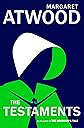
The Testaments: The Sequel to The Handmaid's Tale [Atwood, Margaret] on desertcart.com. *FREE* shipping on qualifying offers. The Testaments: The Sequel to The Handmaid's Tale Review: Perspective and context - It's tricky to mess with a classic. I think it's mostly because once a piece of art attains "classic" status, almost all of those who have experienced it - in the case of a classic book - read it, now feel like they own it. Books and films in particular have a hard to define participatory effect where the reader becomes part of the story and therefore defines the story and characters according to their own interior perspective and thought process. When it comes to either the most revered classics and/or books that achieve their renown via first person, possibly unreliable narrator who exists in a world not fully sketched out and purposely left hazy as a storytelling device, the more the reader will tend to go ahead and sketch that world out with their own assumptions. This means that said classic book becomes something slightly different for every fan, taking on a particular shape and form that becomes almost talismanic for some, quasi-holy for others. It would be hard to find a book published in the last half century more revered than The Handmaid's Tale, so when we all saw the announcement that Margaret Atwood was bringing a sequel, we also all knew there would much hand-wringing and kvetching no matter WHAT the next chapter focused on. For my money, you couldn't ask for a better continuation of the story. I first read The Handmaid's Tale last year. It had nothing to do with the TV show or cultural resurgence of the story and it's oh so prescient themes. It was just on my bookshelf of "VERY IMPORTANT BOOKS YOU SHOULD READ SOMEDAY" and I finally got around to it. As a 49 year old white middle-class male raised in a middle-class Mid-Atlantic USA type of world I really didn't think it would be a home run for me. I was wrong. I fell down the same hole that so many others have found themselves tumbling through into Gilead and the murky, strange world of Offred. I love the entire thing, including the post-script... thought about it for about two weeks, then moved on with my life. I haven't ever been interested in the TV show. When I saw The Testaments up for order, I figured I should at least see what shape the story would take and I hit the buy button. Now I have just finished it and not only was it what I was hoping for but I don't think anyone could hope for anything better than this, in regard to gaining perspective and context on what led up to the previous book as well as the fallout of the events that take place in The Handmaid's Tale. As mentioned, there will always be some that don't WANT perspective and/or context on a classic, timeless allegorical and prophetic novel. For me though, it was fascinating. Seeing motivations peeled back, repercussions revealed and a legacy played out over a new generation added immensely to the previous story and only made it more emotional and tender to me. Sometimes when a story ends you almost don't want to know what happens to a certain protagonist and sometimes you are just itching to know more. I wasn't sure how I felt about Offred and/or the entire cultural landscape in the Handmaid's Tale, but now that I know more, it all just feels deeper and more meaningful to me. I'm trying hard to not put any spoilers in this review, even light ones, so there's a lot I don't want to say. I will put it like this. If The Handmaid's Tale was a close-up on one character, The Testaments is a panning, wide-shot of an entire culture that encompasses three main viewpoints and ties together in a satisfying and logical way. It does take a few chapters to build up some steam, but trust me when I say, once the story gains momentum - it moves along quickly and flows in some unexpected directions. Sequels written decades later can end up really crashing hard sometimes, but in the hands of such a talented author, you get a book like The Testaments. It meshes perfectly with the previous story while still being timeless and speaking to current society at the same time. Since I'm just one person, that's just my opinion and many will find fault with this book, believing it's either too much or not enough, or not necessary or whatever. But I think it's a great gift from an author to her fans. Unwrap it and enjoy. Review: Popcorn and candy bars OR filet mignon? - Popcorn and candy bars, or filet mignon -- which do you prefer? Of course that’s something of a ridiculous question. If you’re like me, you love both, and they both are excellent treats, not meant for daily consumption. However, sometimes popcorn and candy bars make more sense, and junky food like that is what you want, and at other times filet mignon is what’s needed to make your soul complete. I don’t know exactly what I was expecting from this sequel to The Handmaid’s Tale. It was a good read, and I raced through it, but it felt like eating popcorn and candy bars, whereas reading The Handmaid's Tale feels like eating filet mignon. Atwood is undoubtedly in a very different place now (along with the entire world) than when The Handmaid's Tale was written back in the 1980’s, and I have to imagine that has something to do with it, but The Testaments feels very direct and plot-driven, whereas The Handmaid's Tale was more poetic and ambiguous. Some of that may have to do with the story itself -- June’s story in The Handmaid's Tale was created under circumstances that lent themselves to hiding, ambiguity, and even poetry and lyricism, whereas the accounts of the three women in The Testaments are much more direct, having been made either from a place of power, both known and secret (Aunt Lydia) or from a place of relief and retrospectiveness (Agnes and Nicole). Atwood beautifully begins the three stories as independent tales, but slowly begins to intertwine them in sometimes predictable but also surprising ways. Unlike The Handmaid's Tale, there is more of a real conclusion to the story in this book. It’s so definite that I would be tremendously surprised if there was a third book in this series. It also ends with another Gilead research symposium transcript as at the end of The Handmaid's Tale, which serves to flesh out even more of the ending of the story. However, I wonder if Atwood was being a little sneaky here -- did anyone else notice that these Gilead researchers were spending part of their time playing with Gileadean things, such as the Recreational Gilead Period Hymn Sing and the Period Costume Reenactment Day? It struck me as odd, and I have to wonder if this was Atwood’s way of warning us that even seemingly beneficial fascination with, and study of, historical periods can be like playing with fire, risking planting the seeds of repeating history. It just sounded too much like things like Civil War reenactors and all of that worship of the Civil War era, which is still very much with us today. Also, I was glad to see that Aunt Lydia really did have a soul in this book. We have gotten glimpses of that in the TV show, of course, but I always felt that there was more there, and The Testaments gives some pretty satisfying answers to her motivation, although still on the popcorn level and not that of the filet mignon. The passages recounting the way in which Aunt Lydia became one of the founders of Gilead’s version of a convent were some of the most fascinating and satisfying in the whole book. All in all, this book was well worth the read and I enjoyed it immensely.


| Best Sellers Rank | #12,831 in Books ( See Top 100 in Books ) #8 in Science Fiction Crime & Mystery #10 in Dystopian Fiction (Books) #18 in Literary Fiction (Books) |
| Book 2 of 2 | The Handmaid's Tale |
| Customer Reviews | 4.6 4.6 out of 5 stars (50,259) |
| Dimensions | 6.44 x 1.54 x 9.91 inches |
| Edition | First Ed |
| ISBN-10 | 0385543786 |
| ISBN-13 | 978-0385543781 |
| Item Weight | 1.6 pounds |
| Language | English |
| Print length | 432 pages |
| Publication date | September 10, 2019 |
| Publisher | Nan A. Talese |
Z**❗
Perspective and context
It's tricky to mess with a classic. I think it's mostly because once a piece of art attains "classic" status, almost all of those who have experienced it - in the case of a classic book - read it, now feel like they own it. Books and films in particular have a hard to define participatory effect where the reader becomes part of the story and therefore defines the story and characters according to their own interior perspective and thought process. When it comes to either the most revered classics and/or books that achieve their renown via first person, possibly unreliable narrator who exists in a world not fully sketched out and purposely left hazy as a storytelling device, the more the reader will tend to go ahead and sketch that world out with their own assumptions. This means that said classic book becomes something slightly different for every fan, taking on a particular shape and form that becomes almost talismanic for some, quasi-holy for others. It would be hard to find a book published in the last half century more revered than The Handmaid's Tale, so when we all saw the announcement that Margaret Atwood was bringing a sequel, we also all knew there would much hand-wringing and kvetching no matter WHAT the next chapter focused on. For my money, you couldn't ask for a better continuation of the story. I first read The Handmaid's Tale last year. It had nothing to do with the TV show or cultural resurgence of the story and it's oh so prescient themes. It was just on my bookshelf of "VERY IMPORTANT BOOKS YOU SHOULD READ SOMEDAY" and I finally got around to it. As a 49 year old white middle-class male raised in a middle-class Mid-Atlantic USA type of world I really didn't think it would be a home run for me. I was wrong. I fell down the same hole that so many others have found themselves tumbling through into Gilead and the murky, strange world of Offred. I love the entire thing, including the post-script... thought about it for about two weeks, then moved on with my life. I haven't ever been interested in the TV show. When I saw The Testaments up for order, I figured I should at least see what shape the story would take and I hit the buy button. Now I have just finished it and not only was it what I was hoping for but I don't think anyone could hope for anything better than this, in regard to gaining perspective and context on what led up to the previous book as well as the fallout of the events that take place in The Handmaid's Tale. As mentioned, there will always be some that don't WANT perspective and/or context on a classic, timeless allegorical and prophetic novel. For me though, it was fascinating. Seeing motivations peeled back, repercussions revealed and a legacy played out over a new generation added immensely to the previous story and only made it more emotional and tender to me. Sometimes when a story ends you almost don't want to know what happens to a certain protagonist and sometimes you are just itching to know more. I wasn't sure how I felt about Offred and/or the entire cultural landscape in the Handmaid's Tale, but now that I know more, it all just feels deeper and more meaningful to me. I'm trying hard to not put any spoilers in this review, even light ones, so there's a lot I don't want to say. I will put it like this. If The Handmaid's Tale was a close-up on one character, The Testaments is a panning, wide-shot of an entire culture that encompasses three main viewpoints and ties together in a satisfying and logical way. It does take a few chapters to build up some steam, but trust me when I say, once the story gains momentum - it moves along quickly and flows in some unexpected directions. Sequels written decades later can end up really crashing hard sometimes, but in the hands of such a talented author, you get a book like The Testaments. It meshes perfectly with the previous story while still being timeless and speaking to current society at the same time. Since I'm just one person, that's just my opinion and many will find fault with this book, believing it's either too much or not enough, or not necessary or whatever. But I think it's a great gift from an author to her fans. Unwrap it and enjoy.
R**S
Popcorn and candy bars OR filet mignon?
Popcorn and candy bars, or filet mignon -- which do you prefer? Of course that’s something of a ridiculous question. If you’re like me, you love both, and they both are excellent treats, not meant for daily consumption. However, sometimes popcorn and candy bars make more sense, and junky food like that is what you want, and at other times filet mignon is what’s needed to make your soul complete. I don’t know exactly what I was expecting from this sequel to The Handmaid’s Tale. It was a good read, and I raced through it, but it felt like eating popcorn and candy bars, whereas reading The Handmaid's Tale feels like eating filet mignon. Atwood is undoubtedly in a very different place now (along with the entire world) than when The Handmaid's Tale was written back in the 1980’s, and I have to imagine that has something to do with it, but The Testaments feels very direct and plot-driven, whereas The Handmaid's Tale was more poetic and ambiguous. Some of that may have to do with the story itself -- June’s story in The Handmaid's Tale was created under circumstances that lent themselves to hiding, ambiguity, and even poetry and lyricism, whereas the accounts of the three women in The Testaments are much more direct, having been made either from a place of power, both known and secret (Aunt Lydia) or from a place of relief and retrospectiveness (Agnes and Nicole). Atwood beautifully begins the three stories as independent tales, but slowly begins to intertwine them in sometimes predictable but also surprising ways. Unlike The Handmaid's Tale, there is more of a real conclusion to the story in this book. It’s so definite that I would be tremendously surprised if there was a third book in this series. It also ends with another Gilead research symposium transcript as at the end of The Handmaid's Tale, which serves to flesh out even more of the ending of the story. However, I wonder if Atwood was being a little sneaky here -- did anyone else notice that these Gilead researchers were spending part of their time playing with Gileadean things, such as the Recreational Gilead Period Hymn Sing and the Period Costume Reenactment Day? It struck me as odd, and I have to wonder if this was Atwood’s way of warning us that even seemingly beneficial fascination with, and study of, historical periods can be like playing with fire, risking planting the seeds of repeating history. It just sounded too much like things like Civil War reenactors and all of that worship of the Civil War era, which is still very much with us today. Also, I was glad to see that Aunt Lydia really did have a soul in this book. We have gotten glimpses of that in the TV show, of course, but I always felt that there was more there, and The Testaments gives some pretty satisfying answers to her motivation, although still on the popcorn level and not that of the filet mignon. The passages recounting the way in which Aunt Lydia became one of the founders of Gilead’s version of a convent were some of the most fascinating and satisfying in the whole book. All in all, this book was well worth the read and I enjoyed it immensely.
S**S
Great read, and good sequel to The Handmaid’s Tale!
A**A
Diría que es un buen final para la historia, no perfecto en mi opinión, ya que hasta cierto punto es predecible y no cuenta con los twists and turns a los que estamos acostumbrados, sobre todo en libro anterior y la serie. El libro lo leí casi que de una sentada, es interesante el relato sobre todo desde el punto de vista de Aunt Lydia. Me gustaría haber sabido un poco más del reencuentro de Offred con sus hijas. En fin, muy buena lectura y buen cierre
A**S
Livro ótimo!
L**E
Book was delivered bent.
E**E
Libro ideal para cualquier persona que haya disfrutado del anterior, the Handmaid’s tale. La estructura es muy distinta aunque está igualmente centrada en Gilead. El libro sigue tres hilos argumentales distintos que están conectados al final, dándole un giro inesperado. Es de lectura ligera y está muy bien escrito.
Trustpilot
1 month ago
2 months ago