

desertcart.com: A Christmas Carol: 9788175993273: Dickens, Charles: Books Review: A Christmas Carol Book Review (MS. LANGLIE! HERE IT IS!) - “I will honor Christmas in my heart, and try to keep it all the year. I will live in the Past, the Present, and the Future. The Spirits of all Three shall strive within me. I will not shut out the lessons that they teach. Oh, tell me I may sponge away the writing on this stone,” (Dickens 144) the once miserly, old Scrooge pledges desperately to the Ghost of Christmas Yet To Come as they stand over Scrooge’s future grave, following their witnessing of the nightmarish images of his own forthcoming death and its pitiable consequences. Charles Dickens’ charming and clever classic tale of Ebenezer Scrooge and his change of heart has touched a countless number of people over generations. This five-star novel’s utterly moving message and immense genius will touch many more to come, and urge others to make the pledge to “honor Christmas in [their own hearts], and try to keep it all the year,” (Dickens 144), as Scrooge so thoroughly did himself that one Christmas night. Originally published in the year of 1843, A Christmas Carol summons us to Victorian London, contemporary to the year the story was published. The selfish, stingy, miserly, and miserable, old Ebenezer Scrooge broods in his hatred for the Christmas Season, as Scrooge greatly detests happiness, generosity, love, and family. Christmas Eve night, he is haunted by the ghost of his old business partner, Jacob Marley, who appears to Scrooge with a long, heavy chain made from all of the terrible things that Marley pursued in life. Marley warns Scrooge that he is doomed to Marley’s same, terrible fate unless he changes the way he lives his life. So he tells Scrooge that three more Spirits will haunt him during the course of the night. We all know the story: the Ghosts of Christmases Past, Present, and Yet To Come visit Scrooge and show him moments in his lifetime in order to instill in Scrooge the idea to stop being so dreadful and instead to become compassionate. Throughout Scrooge’s tale, Charles Dickens introduces to us three different methods (one for each of the three spirits) as the tools for a person, such as Scrooge, to change one’s life. A very prominent theme portrayed in A Christmas Carol, is how the application of these three methods will change someone’s heart. The Ghost of Christmas Past is the first of the three to appear to Scrooge and the first to apply one of Dickens’ methods to change Scrooge’s heart. The Ghost of Christmas Past takes Scrooge back to his childhood and early years to show him all of the people he has loved. He sees his beloved, younger sister, Fan, the mother of his ever-encouraging nephew, Fred; he sees the jolly man to whom he was once apprenticed, Fezziwig, and the jovial love he showed to all his family and friends; and Scrooge also sees his former fiancée, reliving not only the scene of when she left him due to his growing greed, but also the images of the happy life she led after she left him. Seeing these people in his past renews Scrooge’s spark of love for his family and friends. Dickens’ first step to a change of heart— love. The jolly Ghost of Christmas Present succeeds the Ghost of Christmas Past and leads Scrooge through the existing world to see all those who were currently celebrating Christmas. He shows Scrooge the Cratchits, the family of Scrooge’s clerk Bob Cratchit, demonstrating to Scrooge how his habit of penny-pinching and ill behavior toward Bob Cratchit is affecting the poor, struggling family, in particular Bob Cratchit’s crippled son, Tiny Tim. This helps Scrooge feel regret for the decisions he has made and become more generous to those in need. The second method to the changing of Scrooge’s heart was the feeling of regret. Then the wraithlike Ghost of Christmas Yet to Come appears to Scrooge and shows him scenes from the future. At first, these scenes meant nothing to Scrooge as he saw the people of London’s disgraceful response to a terrible man’s death until Scrooge realized that this terrible man was Scrooge himself. This sudden realization at the setting of Scrooge’s own future grave was the sign of his complete conversion to kindheartedness. He felt absolute fear of the images he saw, and wanted nothing more than to reverse them. Hence, The Ghost of Christmas Yet to Come applied the final method of transformation— fear for the future’s terrible consequences. So there are the keys to Scrooge’s conversion— love, regret, and fear for the future. The theme of how the application of these three methods is the key to changing someone’s frame of mind I believe is both valid and properly conveyed. With the help of the three spirits that fateful, Christmas Eve night, Ebenezer Scrooge realized that he must always have, “the Spirits of all Three… strive within [him, and] not shut out the lessons that they teach,” because if he went back to not loving, not feeling regret and guilt, and not being wary or fearful of future consequences, Scrooge would return to the greedy, wicked state in which he had found himself the night before. But that theme isn’t the most prominent in Dickens’ A Christmas Carol. The most prominent theme is the happiness one feels when one shows more benevolence, and I think that Dickens displayed this intent more than thoroughly by the end of his tale. And how true that is. Scrooge would’ve gone on living his rotten life with no lasting legacy when he died if it were not for the spirits’ visits. Instead, he spent the rest of his years becoming “as good a friend, as good a master, and as good a man, as the good old city knew, or any other good old city, town, or borough, in the good old world,” (Dickens 158). In Charles Dickens’ flawlessly written tale of A Christmas Carol, Scrooge learns that happiness can come to us if we will forget self and worldly gain, concentrating instead on helping others and learning to embrace the love of family and friends. Dickens’ clear, concise, and beautiful depiction of the world’s most beloved Christmas story second only to Christmas’ inspiration is one that everyone would benefit from reading. And may those who read it, remember themselves to “honor Christmas in [their hearts], and try to keep it all the year,” (Dickens 144). Review: lovely book - What a wonderful book! After a (grossly misprinted) disappointment from a different publisher of this same book, I am very pleased with this copy. The cover, layout & illustrations are all lovely. I don't typically like the feel of glossy pages, but I'm overlooking that minor detail of personal preference with the hope that this book will last the test of time because of its glossy paper. Also, it's a large size book that will stand out & look beautiful on the shelf between reads. “I will honour Christmas in my heart, and try to keep it all the year. I will live in the Past, the Present, and the Future. The Spirits of all Three shall strive within me. I will not shut out the lessons that they teach.”


| Best Sellers Rank | #70,135 in Books ( See Top 100 in Books ) #16 in Christmas (Books) #635 in Classic Literature & Fiction #1,099 in Children's Classics |
| Customer Reviews | 4.7 4.7 out of 5 stars (42,889) |
| Dimensions | 7.68 x 5.02 x 0.31 inches |
| Grade level | Preschool - 1 |
| ISBN-10 | 8175993278 |
| ISBN-13 | 978-8175993273 |
| Item Weight | 4.6 ounces |
| Language | English |
| Print length | 116 pages |
| Publication date | December 1, 2015 |
| Publisher | Fingerprint! Publishing |
| Reading age | 6+ years, from customers |
G**N
A Christmas Carol Book Review (MS. LANGLIE! HERE IT IS!)
“I will honor Christmas in my heart, and try to keep it all the year. I will live in the Past, the Present, and the Future. The Spirits of all Three shall strive within me. I will not shut out the lessons that they teach. Oh, tell me I may sponge away the writing on this stone,” (Dickens 144) the once miserly, old Scrooge pledges desperately to the Ghost of Christmas Yet To Come as they stand over Scrooge’s future grave, following their witnessing of the nightmarish images of his own forthcoming death and its pitiable consequences. Charles Dickens’ charming and clever classic tale of Ebenezer Scrooge and his change of heart has touched a countless number of people over generations. This five-star novel’s utterly moving message and immense genius will touch many more to come, and urge others to make the pledge to “honor Christmas in [their own hearts], and try to keep it all the year,” (Dickens 144), as Scrooge so thoroughly did himself that one Christmas night. Originally published in the year of 1843, A Christmas Carol summons us to Victorian London, contemporary to the year the story was published. The selfish, stingy, miserly, and miserable, old Ebenezer Scrooge broods in his hatred for the Christmas Season, as Scrooge greatly detests happiness, generosity, love, and family. Christmas Eve night, he is haunted by the ghost of his old business partner, Jacob Marley, who appears to Scrooge with a long, heavy chain made from all of the terrible things that Marley pursued in life. Marley warns Scrooge that he is doomed to Marley’s same, terrible fate unless he changes the way he lives his life. So he tells Scrooge that three more Spirits will haunt him during the course of the night. We all know the story: the Ghosts of Christmases Past, Present, and Yet To Come visit Scrooge and show him moments in his lifetime in order to instill in Scrooge the idea to stop being so dreadful and instead to become compassionate. Throughout Scrooge’s tale, Charles Dickens introduces to us three different methods (one for each of the three spirits) as the tools for a person, such as Scrooge, to change one’s life. A very prominent theme portrayed in A Christmas Carol, is how the application of these three methods will change someone’s heart. The Ghost of Christmas Past is the first of the three to appear to Scrooge and the first to apply one of Dickens’ methods to change Scrooge’s heart. The Ghost of Christmas Past takes Scrooge back to his childhood and early years to show him all of the people he has loved. He sees his beloved, younger sister, Fan, the mother of his ever-encouraging nephew, Fred; he sees the jolly man to whom he was once apprenticed, Fezziwig, and the jovial love he showed to all his family and friends; and Scrooge also sees his former fiancée, reliving not only the scene of when she left him due to his growing greed, but also the images of the happy life she led after she left him. Seeing these people in his past renews Scrooge’s spark of love for his family and friends. Dickens’ first step to a change of heart— love. The jolly Ghost of Christmas Present succeeds the Ghost of Christmas Past and leads Scrooge through the existing world to see all those who were currently celebrating Christmas. He shows Scrooge the Cratchits, the family of Scrooge’s clerk Bob Cratchit, demonstrating to Scrooge how his habit of penny-pinching and ill behavior toward Bob Cratchit is affecting the poor, struggling family, in particular Bob Cratchit’s crippled son, Tiny Tim. This helps Scrooge feel regret for the decisions he has made and become more generous to those in need. The second method to the changing of Scrooge’s heart was the feeling of regret. Then the wraithlike Ghost of Christmas Yet to Come appears to Scrooge and shows him scenes from the future. At first, these scenes meant nothing to Scrooge as he saw the people of London’s disgraceful response to a terrible man’s death until Scrooge realized that this terrible man was Scrooge himself. This sudden realization at the setting of Scrooge’s own future grave was the sign of his complete conversion to kindheartedness. He felt absolute fear of the images he saw, and wanted nothing more than to reverse them. Hence, The Ghost of Christmas Yet to Come applied the final method of transformation— fear for the future’s terrible consequences. So there are the keys to Scrooge’s conversion— love, regret, and fear for the future. The theme of how the application of these three methods is the key to changing someone’s frame of mind I believe is both valid and properly conveyed. With the help of the three spirits that fateful, Christmas Eve night, Ebenezer Scrooge realized that he must always have, “the Spirits of all Three… strive within [him, and] not shut out the lessons that they teach,” because if he went back to not loving, not feeling regret and guilt, and not being wary or fearful of future consequences, Scrooge would return to the greedy, wicked state in which he had found himself the night before. But that theme isn’t the most prominent in Dickens’ A Christmas Carol. The most prominent theme is the happiness one feels when one shows more benevolence, and I think that Dickens displayed this intent more than thoroughly by the end of his tale. And how true that is. Scrooge would’ve gone on living his rotten life with no lasting legacy when he died if it were not for the spirits’ visits. Instead, he spent the rest of his years becoming “as good a friend, as good a master, and as good a man, as the good old city knew, or any other good old city, town, or borough, in the good old world,” (Dickens 158). In Charles Dickens’ flawlessly written tale of A Christmas Carol, Scrooge learns that happiness can come to us if we will forget self and worldly gain, concentrating instead on helping others and learning to embrace the love of family and friends. Dickens’ clear, concise, and beautiful depiction of the world’s most beloved Christmas story second only to Christmas’ inspiration is one that everyone would benefit from reading. And may those who read it, remember themselves to “honor Christmas in [their hearts], and try to keep it all the year,” (Dickens 144).
A**R
lovely book
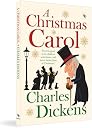
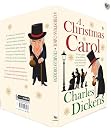
What a wonderful book! After a (grossly misprinted) disappointment from a different publisher of this same book, I am very pleased with this copy. The cover, layout & illustrations are all lovely. I don't typically like the feel of glossy pages, but I'm overlooking that minor detail of personal preference with the hope that this book will last the test of time because of its glossy paper. Also, it's a large size book that will stand out & look beautiful on the shelf between reads. “I will honour Christmas in my heart, and try to keep it all the year. I will live in the Past, the Present, and the Future. The Spirits of all Three shall strive within me. I will not shut out the lessons that they teach.”
B**T
A Great Classic!
What a great timeless story. A well written classic piece of literature showing that anyone can be redeemed; no matter what their age. I will be re-reading this again for sure.
J**Y
Enjoy a classic
Realizing I had never read anything by Charles Dickens, I decided to take a crack at this novella after I found it being offered for free on Amazon. If you've seen any of the dozens of adaptations of this classic, you know the story: A cruel miser is visited by ghosts of past, present and future on Christmas Eve and given a glimpse of the misery he has and will continue to cause if he doesn't change his ways. As far as the Dickensian style goes, I can see the reasons why it is both loved and hated. At times the tone is conversational, like Dickens is standing in front of you telling the story, which is something you're either going to love or hate. At times I got a little lost in the text, but I just see that as a byproduct of reading a book that was written in a very different time and place. That said, the themes are very familiar, especially in today's political climate. Scrooge's dialogue in the opening scene could easily be adapted for one of the talking heads of Fox News. I'm not trying to get political here. Scrooge is a worst case scenario cartoon rendering of a heartless rich guy, but then again, I feel like he sees the error of his ways just a little too easily. At the end of the day, what you have in A Christmas Carol is a modern fable, and unlike many cultural myths, the original text is here for your enjoyment and analysis. This book is responsible in large part for how we experience and imagine Christmas today, so the cultural themes are vital. It's also a short read, so you won't lose a lot of time seeing if you like it.
D**N
Nice little copy, thought there were to be illustrations but actually thats on the hard copy but this is a sweet book
A**L
I love this story so much! And what a beautiful edition!
H**E
Très belle édition !
J**R
A Christmas Carol is a timeless holiday classic, and this edition makes the story even more magical. The beautiful illustrations bring Dickens’ world vividly to life, adding warmth and charm to an already beloved tale. Every page feels thoughtfully crafted, making it a truly gorgeous book to hold and read. The story itself never loses its power rich with heart, hope, and redemption and this edition enhances that experience in a way that feels special and festive. It’s the kind of book you look forward to bringing out each Christmas, whether to read aloud or enjoy quietly by the fire. A true holiday treasure and a classic that everyone should have on their shelf.
C**E
It was incredibly well-written. One of the greatest christmassy stories ever written. I cried a bit a few times, not necessarily because I felt sad,
ترست بايلوت
منذ 4 أيام
منذ أسبوع