We remain fully operational. Our teams are working around the clock to ensure your deliveries continue safely.
قم بتنزيل التطبيق


معلومات عنا
حقوق الطبع والنشر © 2024 Desertcart Holdings Limited
قم بتنزيل التطبيق


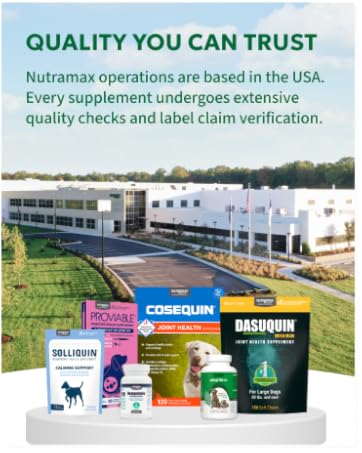
🐾 Elevate your dog’s liver health with the vet’s #1 choice!
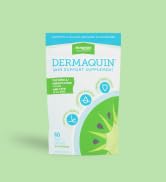
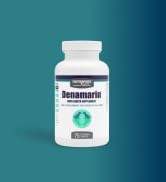
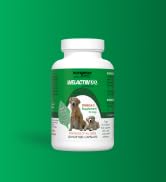
Nutramax Denamarin is a premium liver health supplement formulated specifically for medium dogs, combining 225mg of S-Adenosylmethionine (SAMe) with 82mg of highly absorbable Silybin. This scientifically backed, veterinarian-recommended formula supports liver detoxification, energy metabolism, digestion, and immune function. Delivered in easy-to-administer coated tablets, Denamarin is trusted by pet professionals and pet parents alike to enhance liver wellness and overall vitality.
| ASIN | B0011XOXG2 |
| ASIN | B0011XOXG2 |
| Active Ingredients | S-Adenosylmethionine 225 mg, Silybin-phosphatidylcholine complex (SPC)* 82 mg, *Providing 24 mg of Silybin A+B |
| Best Sellers Rank | #2,663 in Pet Supplies ( See Top 100 in Pet Supplies ) #73 in Dog Supplements & Vitamins |
| Brand Name | Nutramax Laboratories |
| Customer Reviews | 4.6 4.6 out of 5 stars (4,834) |
| Date First Available | January 25, 2008 |
| Dog Breed Size | Medium |
| Flavor | Liver |
| Global Trade Identification Number | 00755970630503 |
| Is Discontinued By Manufacturer | No |
| Item Form | Tablet |
| Item Type Name | Liver supplement |
| Item Weight | 1.6 ounces |
| Item model number | DENAMARIN225 |
| Manufacturer | Nutramax Laboratories Veterinary Sciences, Inc. |
| Manufacturer | Nutramax Laboratories Veterinary Sciences, Inc. |
| Product Dimensions | 5.5 x 1.5 x 3.5 inches; 1.6 ounces |
| Target Species | Dog |
| UPC | 755970630503 |
| Unit Count | 30 Count |
| Volume | 60 Cubic Centimeters |
T**N
Vetri-Liver and Denamarin is working!!!
Vetri-Liver and Denamarin is working!!! My story: Our dog is a 12ish Jack Russell mix. In August 2017, he was off. Not himself. Bloodwork and ultrasound showed he likely had Chronic Hepatitis. Put him on Denamarin. Bloodwork improved, but still not perfect. Had the vet do a dental thinking that the liver issues could be from bad teeth. They put him on a preventative antibiotic. 1 week after the Dental he spiked a 106 fever. He was ultimately put on IVs with a different antibiotic. Fever came down, felt better. Noticed that he had developed a licking issue after eating which was new. Fever slowly started to climb back upward. At 104 he was put back on IVs, taken off of all antibiotics in an attempt to get the bacteria to flourish and to isolate it. The only problem was that once he was off of the antibiotics his temperature went normal never to return. Eating throughout this has been difficult. Turning down filet mignon or whatever concoction I could come up with to tempt him to eat. I had pointed out to the vets (lots of them) that the antibiotics warned against liver and kidney issues. Everyone poo poo'd that. Well, it turns out that his liver couldn't process them. I took him home on Christmas Day from the vet hospital. They wanted to do a liver biopsy, but I rejected it. He already looked like warmed over death. Wasn't eating a thing in the hospital. They would have had to put him back on antibiotics. - And there was no clear indication that the liver was the origin of the problem, and could just be a secondary to another issue like heart disease (he does have a small heart murmur, but his heart is working sufficiently), cancer, etc. Even if we knew exactly what the liver diagnosis was, the treatment wouldn't be much different: Diet, supplements and potentially prednisone (which is hard on the liver as well - catch 22) At home, he was a new dog. He started eating. I researched every liver diet, and started with a very bland, home-cooked meal. I noticed that if I added a hi-end kibble to his diet, there would be more licking (licking surfaces like the carpeting). I read where compulsive licking is often intestinal distress. I'm not convinced that he also didn't have some kind of gastric issue, like gastric ulcers, or other intestinal issue, perhaps because of the liver or maybe even driving the liver problem. It is the end of April 2018, and he is doing well. I started him on Vetri-liver in the AM a couple of months ago with a breakfast of eggs, cottage cheese, oatmeal, rice, and chicken/turkey or beef). The Vetri-liver isn't extremely palatable, but I just cut it in pieces and put it in meat or cheese, and it will go down. Since I don't have a firm diagnosis for the liver problem, I looked for zinc and anti-oxidants to help the liver even if he had a copper retention problem. Zinc is supposed to offset copper in your diet. It also has some other supplements that he may need. Afternoon, he gets his Denamarin tablet (2 hours after the last meal) and 1 hour before dinner. Supposedly vegetable protein is better for dogs with liver disease. So I came up with some treats that also helped, especially in the beginning when getting him to eat was hard. I fill a turkey pan with: eggs, meat, carrots, sweet potatoes, tofu, wheat germ, peanut butter, coconut oil, and enough oats and a little bit of flour to make a cookie dough. The secret ingredient is a little bacon grease and bacon for palatability. Yes, bad, but makes the difference between this going down the hatch. These can be a mid-day snack, or actually a small meal if we are out hiking, etc. I bake them on cookie tins like brownies, cut them into squares, put them in baggies, and throw them in the freezer. This way they stay fresh. Dinner is rice/oatmeal/sweet potatoes/pumpkin or yams mixed with eggs/chicken/turkey/beef along with some well-processed veggies. I'm not convinced that I'm feeding a balanced diet, so I bought some senior dog vitamins that he gets periodically. Slowly the weight is coming back on. Exercise is important, because he is hungry after exercise. So a small walk in the morning before breakfast and walk before dinner really makes a difference with the pills and food going down. As long as he is eating soft, smaller meals, the compulsive licking has stopped. He is energetic, playing with toys, bright on his walks and back among the living. His liver enzymes are not perfect: ALT started at 275 (August 2017), went to 1,800 during the antibiotic reaction and spiked fever, back to 275 and now down to 253 most recently. ALP started at 263, 656 at its worst, and now at 167. I don't know if I will be successful in getting them to normal ranges, but if I look at his quality of life, it looks pretty good now. I wanted to share my story, because you don't hear often that antibiotics could almost kill your dog. And.....your dog can come back after refusing to eat anything after dire illness. Considering a backpack Trip!!
M**A
Helped our 15 year old cocker spaniel.
Denamarin kept our 15 year old cocker spaniel, Jonesy, going for over a year after he was diagnosed with liver disease and failure. After we put him on denamarin, the spots indicating liver disease disappeared from his forehead and he did not show any side effects from getting this supplement. The other option was to give him IVs at the Specialty clinic, which would have been very painful for him and expensive for us. Denamarin was the right choice. He passed away in January but not because his liver failed. Denamarin did its job. Thank you!
K**Y
Works wonders!
Can’t recommend enough for liver health for your dog! I put them in a pill pocket and my dog loves them! This continues to help my pets lab work trend in the right direction. If your looking for something actually works this is it best value for the cost.
T**N
Match product to what's ordered
Product good but received the wrong size pill for my medium dog. Make sure to get the right dosage for the animal involved. Thanks!
V**E
Needs to be given hidden inside a treat; does help improve liver function (on bloodwork)
My dog has a history of high ALT and ALKP (liver values on bloodwork) from the time she was 5 years old. They were not drastically high, initially; they were just on the high end of normal. When she turned 12 years old, the vet noticed that her liver values had jumped significantly to the point that she was becoming concerned. We did an ultrasound and found that the walls of the liver were thickened, but there was no tumor or anything like that. The vet asked us to try giving her Denamarin to help bring her liver values down. When her bloodwork was rechecked, her ALT was still high, but her ALKP was down, which was exciting! It was still high, but not as high as it was. Unfortunately, when she received her routine wellness bloodwork this month, her ALT has skyrocketed from 188 to over 400. So, my conclusion is the Denamarin did not help this aspect of her liver health. However, her ALKP was still down, so I do think the Denamarin helped with that. We are now going to try adding in a renal support diet along with the Denamarin to see if her bloodwork improves. The pill is large and blue, and I don't think it tastes good because my dog won't take it from me by itself as she does with other medications. If I put it inside a Pill Pocket, though, she takes it with no problem.
P**E
Great supplement for dog!
I highly recommend this supplement. I have been using this for a long time for my dog Cookie. Her liver values kept going up and our Vet recommended trying this as a first step to trying to reduce her levels. After using this for over a year I am happy to say that her liver values were reduced substantially by half. So happy I tried this first as it kept our pet healthy and saved us from having to put her through extensive testing.
B**Y
Works!
My dog had high liver enzymes. He takes one of these every day on an empty stomach. Bloodwork came back normal :) Only issue is the expense, but it is what it is.
S**N
A miracle for my 13 year old dog
These have given me back my dog old dog! My thirteen year old eski-pom was on deaths door this time last year. She had high liver counts and the vet really didn't think she was going to make it. We started these and sure enough it has helped her liver heal on its own. She has so much energy. Seriously my puppy is back.
ترست بايلوت
منذ شهرين
منذ يومين