Some deliveries may take a little longer than usual due to regional shipping conditions.

قم بتنزيل التطبيق


معلومات عنا
حقوق الطبع والنشر © 2024 Desertcart Holdings Limited
قم بتنزيل التطبيق
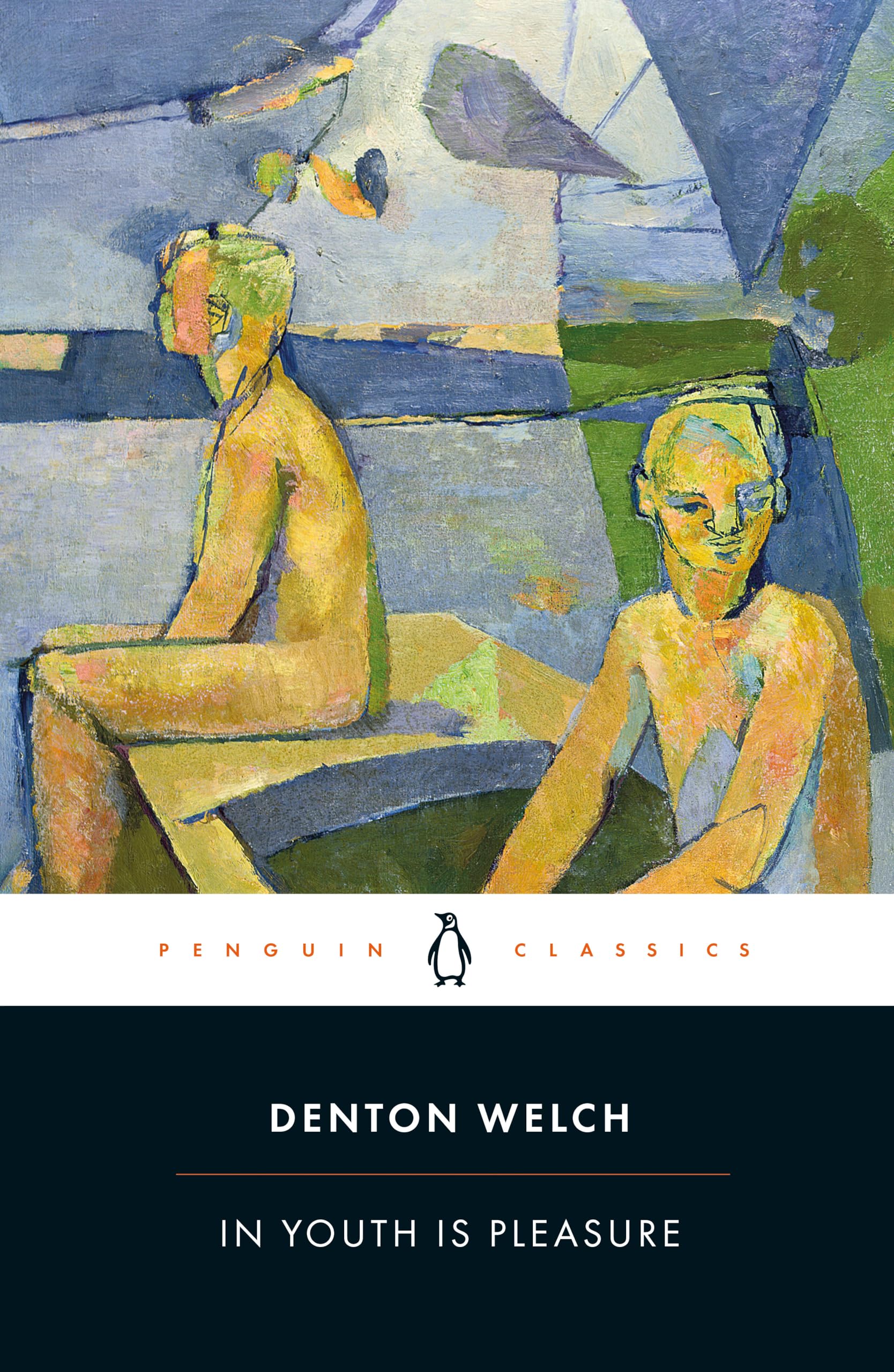
Buy PENGUIN In Youth is Pleasure by Welch, Denton online on desertcart.ae at best prices. ✓ Fast and free shipping ✓ free returns ✓ cash on delivery available on eligible purchase. Review: "Baby Proust" is written in a blurb on the back of the book, and when you're done reading it it's gonna make a lot of sense. It's no wonder Welch is the favorite writer of both William Burroughs and John Waters: it's funny, queer, perverse, filled with the sort of attentive detail and modern sensibility that makes you wonder how could someone write such a thing in 1945. But Welch did, and Orvil Pym and his pleasurable youth will stay with me forever. This is the bildungsroman missing from your reader's life. Review: This is an unplotted novel of the sensory experiences of a young boy, Orvil, aged 15. He's on vacation with his derelict father and his two brothers, one of whom, Charles, the young Orvil hates. Orvil's mother, with whom he had a close but heated and dysfunctional relationship, is dead. He misses her. He lives with his aunt, sees his wealthy father rarely and has little connection with him through most of the year. While on vacation with this "family" we get to vicariously see the world that Orvil experiences. For that this novel is worth your time. Orvil is a sensitive. He sees/feels/senses the world in the only way that he can. As you, yourself, can only experience being in the way that you do. The trouble that Orvil experiences is that the way he is is troublesome to others; the way he is therefore becomes a burden to Orvil. Orvil might be gay. He might be bi-polar. He might be asexual. He might be a narcissist. Etc. Etc. What's important is that the way he experiences life is the way a lot of people, myself included, experience it, feeling an "otherness" among others. A circle in a rectangular world. Fiction can give us the experience of this otherness and from that second-or-third-hand experience we can gain a kind of vicarious or intellectual empathy (empathy is best gained from first-hand experience). I didn't like Orvil. He was impetuous and foolish--and a thief! But if I were in his story I'm pretty sure I would have defended him publicly--as his brother Ben did. I would have fought for Orvil's right to be himself, implicitely communicating through my actions that who he is okay--as it's okay that I am who I am. Fairness is, after all, what we're all after.
| Best Sellers Rank | #187,133 in Books ( See Top 100 in Books ) #1,190 in European Literature #3,886 in Classic Literature & Fiction #11,828 in Literary Fiction |
| Customer reviews | 4.4 4.4 out of 5 stars (55) |
| Dimensions | 12.9 x 1.1 x 19.8 cm |
| Edition | 1st |
| ISBN-10 | 0241464137 |
| ISBN-13 | 978-0241464137 |
| Item weight | 145 g |
| Language | English |
| Print length | 192 pages |
| Publication date | 1 July 2021 |
| Publisher | Penguin Classics |
R**A
"Baby Proust" is written in a blurb on the back of the book, and when you're done reading it it's gonna make a lot of sense. It's no wonder Welch is the favorite writer of both William Burroughs and John Waters: it's funny, queer, perverse, filled with the sort of attentive detail and modern sensibility that makes you wonder how could someone write such a thing in 1945. But Welch did, and Orvil Pym and his pleasurable youth will stay with me forever. This is the bildungsroman missing from your reader's life.
R**.
This is an unplotted novel of the sensory experiences of a young boy, Orvil, aged 15. He's on vacation with his derelict father and his two brothers, one of whom, Charles, the young Orvil hates. Orvil's mother, with whom he had a close but heated and dysfunctional relationship, is dead. He misses her. He lives with his aunt, sees his wealthy father rarely and has little connection with him through most of the year. While on vacation with this "family" we get to vicariously see the world that Orvil experiences. For that this novel is worth your time. Orvil is a sensitive. He sees/feels/senses the world in the only way that he can. As you, yourself, can only experience being in the way that you do. The trouble that Orvil experiences is that the way he is is troublesome to others; the way he is therefore becomes a burden to Orvil. Orvil might be gay. He might be bi-polar. He might be asexual. He might be a narcissist. Etc. Etc. What's important is that the way he experiences life is the way a lot of people, myself included, experience it, feeling an "otherness" among others. A circle in a rectangular world. Fiction can give us the experience of this otherness and from that second-or-third-hand experience we can gain a kind of vicarious or intellectual empathy (empathy is best gained from first-hand experience). I didn't like Orvil. He was impetuous and foolish--and a thief! But if I were in his story I'm pretty sure I would have defended him publicly--as his brother Ben did. I would have fought for Orvil's right to be himself, implicitely communicating through my actions that who he is okay--as it's okay that I am who I am. Fairness is, after all, what we're all after.
S**K
I have finished In Youth and started on I Left. Find his writing a pleasure to read and the stories and insights into life intriguing.
C**E
I certainly did see what some of the other reviewers saw when they commented on the amazing powers of perception in this novel but the development and believability of the characters was simply not there. I realize it may be uncool to say that the novel lacked enough plot and the sheer ability to see and feel what the protagonist sees and feels ought to be enough. It just wasn't. Nothing happened, no one grew, no one changed, no one truly impacted upon anyone else. The novel felt empty to me and I just could not have cared less about it.
J**E
This is my favorite book. Vivid imagery, gorgeous prose, amazing character, incredibly subtle arc. Denton Welch is literature's least-known gem.
ترست بايلوت
منذ أسبوع
منذ أسبوعين