
Buy anything from 5,000+ international stores. One checkout price. No surprise fees. Join 2M+ shoppers on Desertcart.
Desertcart purchases this item on your behalf and handles shipping, customs, and support to Morocco.
🥦 Transform your health with every bite — don’t miss out on the ultimate nutrient-rich lifestyle!
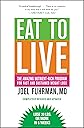
Eat to Live, Revised Edition, offers a completely updated, science-driven 6-week plant-based program designed for fast, sustained weight loss and improved health. Dr. Fuhrman’s approach focuses on nutrient density, overcoming food addiction, and reducing chronic disease risk through a diet rich in vegetables, fruits, legumes, and whole foods. With thousands of peer-reviewed studies backing its principles, this book empowers professionals to optimize wellness, longevity, and vitality while enjoying practical recipes and actionable insights.


| Best Sellers Rank | #12,919 in Books ( See Top 100 in Books ) #6 in Vegetarian Diets (Books) #36 in Weight Loss Diets (Books) #49 in Other Diet Books |
| Customer Reviews | 4.5 out of 5 stars 11,371 Reviews |
J**N
Excellent Book with some Caveats
Dr. Fuhrman's book is an excellent read for anyone wanting information that is accurate and based on not just one, but thousands of peer reviewed studies. Before reading this book I had read several other books on nutrition and thought I had a pretty good understanding of how things worked, but this book definitely added to my knowledge and depth of understanding. Some of the new things I learned are that vegetables have protein. I never knew this before, which sounds kind of silly now. It's kind of a duh moment when Dr. Fuhrman points out that cows eat grass yet they pack on plenty of muscle. Another thing I learned is that when refined oils are consumed, the body has no processing to do and the fat is stored directly in your adipose tissue. When I read this, it made sense; our cell's need glucose to function and when you eat a combination of carbohydrates, protein and refined oil (fat), your body immediately starts using the glucose for energy. The body can and does break down fat to use for energy, but its first choice is glucose, so when your body has a choice, it will always choose glucose--so the oil is immediately stored in your fatty tissue. I do have a couple criticisms and concerns however. Dr. Fuhrman suggests that we eat 100% plant based meals with copious amounts of leafy greens, a variety of fruits, and daily consumption of 1 Tbs flaxseed meal, 1 cup minimum legumes, and optional whole grains in moderation. Fuhrman says we should only be eating 3 times a day (the between meal times allow our cells to focus on detox) and that when we eat, we should eat as much as we want but stop when we get full. Additionally, he talks about toxic hunger v.s. real hunger. He says real hunger is felt in the throat and mouth and that toxic hunger is felt in the stomach. He writes that when we feel toxic hunger we can feel week, fog headed, and that after being on his plan for four to six weeks this will clear. Here is my problem with this: My plant based meals consist of copious amounts of large dark leafy greens, or green salads topped with vegetables and lemon juice for dressing. I get full quickly because of the fiber and nutrient content, however, the calories of my meals range from 200 to 300 cal. The bulk of the fiber really fills me up so it's hard to eat more calories than this in one sitting. If I were to only eat three of these meals a day, my daily caloric intake would be between 600 and 900, pretty low if you ask me. Additionally, I like to exercise, something that Fuhrman never addresses in his eating plan. I can do the plant based thing, but really I need to be eating every two to three hours, especially when I am exercising. I tried to only eat three meals per day, but the hunger I felt in between was all consuming... was it toxic hunger? I am not convinced. I think I either need to have a little piece of lean mean with each meal, or I need to eat more often. Another critique is that he does not stress enough the importance of consuming omega 3. So omega 3 comes in three forms, ALA, EPA, DHA. The ALA form comes from plants and the EPA and DHA come from animal sources such as salmon or krill. Your body needs DHA, it is vitally important in many bodily functions such as myleination of your neurons and anti-inflammatory processes. The ALA form of omega 3 is fine, but it must be converted by the body into DHA, and the amount of ALA converted has been estimated at 50% or less. DHA is ready to go for your body to use, so you don't run the risk of becoming deficient in this very important and vital fat. There is SO much research on the importance and benefits of fish oil that I am dismayed that Furhman does not give credit here where it's due. His arguments about potential pollutants in fish oil are not persuasive enough to me, especially when there is such high quality, nearly pharmaceutical grade oils out there. I take Carlson's Finest Fish Oil, it is tested by a third reputable party and the results are published online. There are other fine brands out there as well. Do your homework and take fish oil! I have one final major criticism: Our bodies' need protein. Our immune cells are made directly from protein therefore protein plays a vital role in immune function and is especially important when we are sick or our immune system is compromised (such as in chemo treatment). The amount of protein obtained from plant sources is minimal compared to lean, skinless animal protein. I don't mean the calorie to protein ratio, I mean a huge plate of lettuce, broccoli, and other veggies compared to a four ounce piece of lean chicken breast. If you don't eat numerous platefuls of veggies each and every day, then you are very likely deficient in protein if you are not concurrently consuming lean animal meat. When we get sick and become febrile, our metabolism revs up and caloric needs increase dramatically. Our immune cells are produced directly from protein, so if you are not getting adequate protein in your food, your body will start to tear down lean muscle to make white blood cells. If you are sick, are you really going to eat a huge plateful of veggies, or are you going to eat a 4oz piece of lean chicken? My point is that whether you eat 100% plant based meals or not, it is vitally important that you make sure to get enough protein (I'm not suggesting that high protein is good... I'm just saying low protein is definitely not good). In conclusion, I would say what impressed me the most was the data on cancer, heart disease, diabetes, and the positive effects having a diet rich in fruits and vegetables can have on these things. This is my take away from this book. Eating plenty of unrefined, unprocessed vegetation daily is a requirement for optimal health. If you want to take it to the next level, cut out all processed food and oils from your diet (note that avocados, raw unsalted nuts and high quality fish oil are not only okay, but should be consumed in moderation) and do not add salt to anything. Even better, cut out all grain and eat legumes in moderation. I believe lean protein, in moderation, is not only healthy but will add to overall satisfaction and sustainability on this diet (Fuhrman does give two options, meatless, and meat in modoration... I strongly lean toward the latter).
R**M
I LOVE this book and highly recommend it!
I have been on a personal journey to figure out my health and wellness. Experiencing serious random mood swings, feeling unmotivated, exhausted all the time, wanting to get pregnant, etc. A friend recommended this book to me and I thought it sounded interesting. Right away I went to my local library and borrowed it. Half way through the book I decided I just had to own this so I purchased it on amazon. I have LOVED this book. I underlined a lot of points I felt were important for me. Appearance: I find that the cover isn't very appealing to me. The colors aren't quite my taste and the target audience is geared to those trying to lose a LOT of weight (I wouldn't have picked this book out on my own just by its appearance). I was interested in losing about 20 lbs but that was not my reason for wanting to read this. Reading: The information is really detailed. It starts out by explaining the why behind eating, why we should avoid certain foods, why we should eat more of others, why our bodies react the way they do, etc., from there it progresses into how to implement what is being taught, and then a few example meal plans and recipes are included. I found that this book changed my way of thinking. I didn't realize I hadn't understood quite a bit about nutrition. My husband has started reading this book and he says he is enjoying it and learning a lot but it feels a little repetitive at times. I would have to agree that it does overlap on information a little. I felt it was on purpose though, to make sure the concepts were understood. He isn't as enthusiastic about this book as I am, but he is learning a lot. Infomercials: This book is laced with other peoples stories and experiences implementing this information into their lives. Some may find this inspiring while others may find it annoying. Implementing: Right after reading this book I decided I wanted to adopt many of the taught principles into my life: Eat more vegetables, fruits, grains, and eat less or no meats, fats, and dairy products. I chose to go cold turkey and I cut out all meats and dairy products right away. I was not a big vegetable person to begin with, and I LOVED the taste of meat. I went through a little mourning period, but eventually I got over it. I found making a gallon of green smoothie every morning and sipping on it throughout the day was a saving grace as I have learned to implement this books teachings. I would make meals like normal but the new way of cooking was hit or miss (to be quite honest, I haven't tried any of his recipes because there are no pictures, but I have tried 'vegan' cookbooks) so having the green smoothie ready as back up to a failed lunch or dinner attempt was more encouraging. I challenged my husband to eat this way with me for 6 weeks (Then he started reading the book. He agreed hesitantly so he could understand my new passion for healthy eating and so he could convince me to eat meat again.) In 3 weeks we both lost 15 pounds (we were consuming a TON of food too, and this was not our goal but definitely welcomed!), I had LOTS more energy, and I felt great. My husband says he hasn't really felt much of a difference, but to me he seems to be more motivated and since eating this way he wrestles more with our boys, gets even more excited about food that is healthy AND tastes good haha, and his attitude seems a lot more positive as well. Also, we were struggling to get pregnant, having tried for 8 months, and after that first month of eating this way I got pregnant! (Not to say it was because of this, but I had tried many different things and it really doesn't seem like a coincidence. I am not saying those that choose this way of living will get pregnant when they are having trouble conceiving, but it's worth trying! If nothing more, you'll at least be healthy.) KIDS-- My children are very young and they are eating this way right along with us, I had no clue they would like vegetables so much. Out of anyone in our family I am the one that is struggling the most with eating this way haha, mainly because I am not a fan of the taste of nutritional yeast and that has been in quite a few of the recipes I have tried. I find when I keep to simple ingredients I enjoy it sooo much more. Stir fry's, Thai vegetable curries/Pad Thai's, salads, grilled vegetables, beans/rice burritos/tacos, etc. Lots of vegetables and good seasoning go hand in hand for me. Recommendation: I definitely recommend this book! The movie, Forks Over Knives talks about a lot of the information found in it and is a great crash course to watch on Netflix or Prime(if it is available) to see if you are interested in learning more and a bit deeper. My father's Dr's found a lump on his prostate and I immediately recommended this book to him (cancer is discussed in this book quite a bit) His Dr's recommended a vegetarian diet to fight against any cancer that might be there as well as watching Forks Over Knives. It goes hand in hand with the teachings of this book (especially because it was based off of this and The China Study.
B**R
This is extremely useful information, most of it makes perfect sense.
This is extremely useful information, most of it makes perfect sense. I really can give this book about 4.5 stars - you will be a lot healthier, look a million times better and naturally lose as much fat as you want, without being hungry or irritable. You will feel better, sleep better and be happier. The only thing I would say is the first six weeks is a hardcore vegan diet. You will lose weight the fastest this way if your current health is so bad, and you must lose a ton of fat in the least possible time this way will achieve. One reason is it's almost impossible to over-eat if you eat this way. I personally followed this diet about 95% - the only difference is I eat about 1-2 oz. of sardines every other day. (maybe 7 oz/week). I discovered that if I don't have a tiny bit of fish every now and then, then I lose muscle, and feel weak and sick. But I don't need much, any more than 1-2 oz/day is most likely unnecessary. Plus, I don't have the serious nutrition issues that hardcore vegans face, such as chronic B12 deficiency, muscle wasting, phosphorus loss, mental fog, etc. Also, sardines and anchovies are about the lowest animals in the marine food chain, except plankton, etc. They have virtually no mercury compared to most fish. I personally feel this is how our ancestors probably made it. If you go back 20,000 years, you too would have been eating tons of raw fruits and vegetables, nuts, but also small amounts of fish, and even bugs (basically anything you could your hands on). Almost never would you be eating steak, and you certainly would never ever be eating cheese, ice cream etc. And the other issue is if eating nothing but raw vegetables and fruits all days long was the ultimate diet for humans, than there would be no need for additional vitamin B12 pills, or Vitamin D pills that he recommends taking while you are eating this way. If the small amount of organic harvested ocean fish is seriously detrimental to the spirit of Eat to Live, well I'm sorry, but even Dr. Fuhrman admits in this book, the vegetarian who eats, "a lot of processed vegetarian meals, pasta, processed grains, vegetable oils, etc" will be significantly worse off, than the person who eats "tons of raw vegetables, fruits and nuts all day, but has small amounts of fish, or chicken every once awhile". Other than that, it's the best out there. Embrace it. I have lost about 10 pounds of belly fat in four weeks, and that is simply walking 2 hrs each morning, no running, etc. I'm in my late 40's. I expect to lose more fat, and retain critical muscle too. Dr Fuhrman has laid out the roadmap for a very long, disease-free, happy life here on earth. It's up to each one of us to pick the map and follow it. It works!
Y**R
and I am doing it again now and so far so good. However
I did this diet years ago and lost 30 pounds...and I am doing it again now and so far so good. However, this time I'm doing it as a fast for 6 weeks, and once the fast is over I'm going to use a great deal of the information in my daily life. I plan to do this every year. I personally think EVERYONE should read this book. That being said... there are some cons to this diet. Here's a pros and cons list: Pro: 1) This book is extremely well-researched and has great information. Over the years I've used it as more than just a "diet" book but also as a reference book on overall health 2) The diet works. If you follow Dr. Fuhrman's rules, you will lose weight, and you will lose it fast. There's nothing as motivating as seeing weight fall off right from the start and you don't even need to exercise... although it is highly recommended since exercise is good for your health and will help the weight come off even faster. However, this is not the kind of diet that requires you to be in the gym day in and day out in order for you to start seeing results 3) If you follow Dr. Fuhrman's daily intake recommendations, you will not go hungry. In fact, when you first start you'll feel guilty about eating the amount of food he requires. You'll wonder if you'll really lose weight, and when you do you'll be at awe that weight loss doesn't need to include starvation. 4)The tips and advice you learn from Dr. Fuhrman are priceless and they are things you can continue to do even if you decide to do your own thing. For example, you learn to rethink the dinner plate so that your vegetables and salad is the main dish and everything else is more like sides and condiments. Starting every meal with a gigantic salad is a good way to not overeat on other things. 5)This diet will help you build a salt and sugar sensitivity...even if you start eating those things again, it won't be the same 6) Even though Dr. Fuhrman might not like people deviating from his plan... his tips and advice educates you well enough so that you can incorporate the information in something a little different... something for example, that might fit your needs better 7) Dr. Furhman offers 3 lifestyles: vegan, vegetarian and near vegetarian which allows people to pick what best suits them 8) Eat to live opens the door to so many produce options that most don't ever think of Cons 1) For someone like Dr. Furhrman "to live" is to live long without pain and medication, and that's great. Again, that's great. He also wants you to achieve superior health which also means being the skinniest you possible. Personally, I want to lose weight and I want to be healthy but I'm also not trying to compete for the healthiest person in the world medal. Physical health is important, but there's also your mental and spiritual health and all three work together to create balance, true... but the ability to enjoy moments like getting together with friends and enjoying a good meal, or traveling and being able to try local cuisine and so on, are things that are important to me as a person. And while I want to be a healthy size, I also don't need to be the skinniest possible. If your definition of living also includes being able to try things and relax without fussing all the time because you have 100 diet rules, then this diet, fully as it is, will not be a practical life-long plan. Again... I think a lot of the advice is great and can be used forever, such as increasing the amount of vegetables you eat and making that the main dish, starting every meal with a salad, eating less salt, sugar, and minimizing the amount of meat you eat are all great things that you can do forever. However, as a whole, this diet is too restrictive. 2) While I find Dr. Furhrman informative and this book pretty accurate, I don't agree with all of his assessments and conclusions. 3) Along with the restrictive idea... the cooked foods are bland and it takes a while to learn tips and tricks to make your dishes decent. The salads can be tasty, and you'll learn to have a new appreciation for fruit because you're not eating all that refined sugar, also--if you're getting fresh vegetables... raw veggies will also become your good friend...but other than that, a lot of the "joy" of eating is removed... which is both good and bad. It's good because you don't spend the whole day anticipating lunch and dinner. It's bad because as a lifelong plan that's just sad if you can't enjoy the potentials of the culinary arts. Life is a balance...and this might be too extreme on one end. 4)To make meals more interesting and even exciting... Dr. Furhman encourages variety--- which is good. I even had that as one of the pros. However, this can get really expensive. Due to the amount of produce he wants you to eat and the variety he recommends , this is not a cheap diet. If you live in a food dessert... as I do... variety can also be hard to obtain. The first time I did the diet, I lived in Chicago and it was pretty easy to get my hands on all sorts of produce, but it's definately a greater challenge now. All in all, you really should just read the book and try it for yourself. It's definately worth a try. In the beginning, I also recommend following his diet as closely as possibly for as long as possible if you're trying to lose a lot of weight. Whatever you decide, I guarantee you'll get something of value from the book. I will continue to incorporate his most important points to my daily life long after the 6 weeks, and every year I will do his 6-week plan as a fast. However, a long term plan for me will also include flavor, some salt (not too much), whole fats (I'm a believer that full fats are better for you than fat-free and low-fat products), fish, some meat, wine, spirits, and the occasional chocolate. Michael Pollan actually says it best when he says: "Eat real food. Not too much. Mostly plants."
C**R
This Diet Is Wonderful
My original review was scattershot, though I've placed it in the comments section because I believe it makes several points in defense of Atkins. Let me first say that I absolutely love the diet in this book. I have had my sister put my niece on this diet, and she has already lost 15 pounds, and her blood sugar, blood pressure, and cholesterol are already becoming normal and it's been only 3 weeks. What I don't like about this book is the rabid attack on meat, fish, saturated fats, and the poor science he uses to back it up. I've decided to go through each of the researches that he put in his notes--incredibly difficult to track down mind you, because his notes weren't the best. My friend read the original review, and suggested I go back and reread the book, so I could see some of the major contradictions on meat. The thing is that for the most part, I am a vegetarian. My reason for defending meat is simply a distaste for bias science. I am not a fan of a person who says in Chapter 4: The science is as conclusive between meat and cancer as cigarettes and cancer. And then on Chapter 6 pg. 161 bottom paragraph, says, "Although it would be wrong to say that animal foods are the sole cause of cancer, it is now clear the increased consumption of animal products COMBINED with decreased consumption of fresh products has the most powerful effect of INCREASING one's risk for various kinds of cancer." The science on smoking causing cancer is not correlative it is causal, which is to say, if you smoke your chance of cancer increases exponentially, whether or not you exercise, eat vegetables, or take vitamin supplements--smoking has carcinogenic qualities that will effect your health. The science on high protein diets that have found causal cancer links--the studies he himself quotes--have always been in the absence of other nutrient based foods, which makes the studies correlative, which is to say, a person must increase animal protein, while decreasing nutrients. Now, you might be saying, well they're of course going to decrease nutrients because, if they were eating 1500 calories of vegetables, and their adding meat but keeping 1500 calories, they would have to cut vegetables. But this is not what the studies did. The studies that he quotes that studies cultures were between cultures who ate a majority of vegetables, and societies who ate high starch foods and meats--in each case, the meat group ate more carbohydrates than the vegetable group. Such as note 41 in chapter 4, page 334, the study of china women and breast cancer. The breast cancer in women came, yes, at a decrease of vegetables, increase of meat, but, also, an increase of rice, and other starches. He also tries to link meat consumption with early puberty for females. This is untrue, as any biologist and physiologist will tell you--the original scare of hormones in meat causing early puberty, was just that, a scare. It is weight that determines a girls entrance into puberty--specifically weight distribution, it's why anorexic's stop having periods, why gymnast never start until they stop training--and why again the enemy is processed carbohydrates which show constantly to be the cause of weight gain. He also says that the average age of puberty was once 17. Given that the average age of individuals until the mid 1800's was 30, and most young women were married off by 14 and having children, the science and history shows 13 to 14 were the average age. He makes statements that have now been disproven by the sheer number of people who have succeeded at weight loss on Atkins, South Beach, and the Core Diet. Fat--especially saturated fat--does not make you fat, and, at least in the first year (almost universally agreed and seen by doctors), they lower cholesterol, increase HDL, increase good LDL, and lower bad LDL, also, it lowers blood sugar, and high blood pressure. His constant repetition of the Lipid Hypothesis--a study that has remained a hypothesis for fifty years--is sad for a man who truly does seem to want to help people. I believe Dr. Fuhrman is a militant vegan, who also wants to help his patients, so, he tries to scare people away from eating meat, because he doesn't believe people should eat meat, not because the science is conclusive on meats causing problems--conclusive enough for him, as long as he ignores the other science out there. Dr. Oz wrote the forward and Dr. Oz raves about the health benefits of salmon on his show every week, so they're at a disagreement. The fact is that birth defects through fish consumption has been seen only through heavy eating of heavy metal fish, and the link is scarce at best--since these birth defects could've existed without the food, and often do. The greatest travesty in this book, in my opinion, is that he holds that weight gain comes from overeating. I was a vegetarian, eating whole wheat bread, pasta, vegetables, and fruit, exercising two miles a day, and consuming no more than 2500 calories a day (I was doing weight watchers at the time) weighing 280 pounds, eating only when I was hungry, which meant, some days, I'd have 600 calories, somedays I'd have 2500 calories. I gained weight weekly. Did I mention I was drinking only water? When I cut down all refined carbohydrates, limited my fruit intake to no more than 2 servings a day (snacks), and ate vegetables four times a day, whether or not I was hungry, I lost 80 pounds--of course, without proper plant or animal fat and protein, a lot of that weight loss was in my muscles. I've read over a 1,000 documents (over a hundred of those documents being books) on health, nutrition, diets, physiology, and psychology. I've looked at my own body. I've looked at family. My cousin's children, both fed the same diet, both eat roughly the same amount of food, one is morbidly obese, the other is skinny as a rail. It's why portion control and low fat diets don't work. Though he believes it's toxicity of the food, it's because the food triggers insulin. Insulin Sensitivity is the cause of weight gain, people with high insulin sensitivity cannot gain weight even when they try--which doesn't mean they can't be unhealthy--while people with low insulin sensitivity gain weight even while their making a conscious effor to lose it. Fat people do not become fat because they overeat, they overeat because their fat, which is to say, their fat cells refuse to feed the body, so they're hungry, and need to eat more. The number 1 driver of insulin is carbohydrates and sugar. However, and his the kicker, though eating vast amounts of plant vegetables will keep you from going into ketosis, complex carbohydrates will not and do not have the same effect on the body as pasta. Fruits and vegetables are the best sort of carbs to eat for an insulin sensitive body, and the necessary carbs to eat because they can balance the insulin sensitivity. Of course, one should keep fruit down to a minimum, two to five servings in my opinion, while vegetables should be 10 to 15 servings. None of what I wrote above disproves his diet, in fact, everything I wrote about insulin holds his diet high. That's what makes Dr. Joel Fuhrman's arguments and poor science saddening. His diet is one of the best diets a person can go on, you'll feel wonderful, energized, the weight comes off so easily, you feel full all the time, and you never worry about counting calories, or measuring food, or any of that stuff. Dr. Fuhrman created one of the best diets I've seen and that I've tried out, he balances ones need for protein with hefty amounts of plant protein, ones need for fat, with natural plant fats from seeds and nuts. He hates meat, and that's fine. He quotes actual science that shows the correlative link to meat consumption and cancer. But, he also says in Chapter 8 that food should be your medicine. If we were to agree that meat causes cancer as a scientific fact, is there something that would be done that would allow you to eat meat and not have any negative effects... yes. Eating lots of fresh food the majority of the time counteracts any and all negative effects of meat. Meat is not like smoking, if you smoke, you do damage to your body each and every time, there is nothing that can counteract the damage of smoking except the cessation of it. WHen you eat meat, there are nutrients and vitamins that can't be found in anything else, and any and all damage that meat can cause is cessated by eating more greens as well. So instead of meat and potatoes, eat meat and broccoli with a side salad. Buy this book, whether or not he uses bias science to disparage something he doesn't like, Dr. Fuhrman has created a diet that will not only promote your good health, but could and should save your life. I am impressed with this book, I read it in one day each time that I read it. It is absolutely brilliant. You'll feel wonderful, you'll glow, and in weeks friends will notice the difference... and the opposite sex--or same sex if that's how you play it--will notice as well because your skin will get healthier, your body will get healthier, and you'll feel and exude health.
E**N
Excellent guide to permanent weight loss and nutritious eating
This is an excellent guide to permanent weight loss and nutritious eating. And despite what some people think, this is not a 100% vegan eating plan. It is true that the first 6 weeks of the plan are 100% vegan with no added salt, no sugar, no booze, no added fats, no snacking, no processed foods. After that, you can start adding modest amounts of animal products (emphasis on modest amounts), a bit of alcohol if you drink it, etc. Dr. F. is pretty adamant about doing the program as written for the first six weeks, and I agree with him--it's better to make a 100% commitment from the get-go. There's no doubt that the first 6 weeks will be tough if you eat a lot of meat, dairy, cheese, and processed foods. But if you stick it out, you'll see major changes in your blood numbers and weight. You'll be surprised at how your taste buds will change. You will be eating massive amounts of food--the only way this plan can work is if you eat a LOT, because what you eat is very low in calories and high in nutrient density. If you don't like vegetables, you'll need to do a 180; this program will not work without eating a huge amount of vegetables, particularly green vegetables. Again, taste buds do adjust with time. I segued into this way of eating from decades as a vegetarian. It's quite common for lots of vegetarians to eat the same amount of processed crap that people on SAD (Standard American Diet) do. That wasn't me, but I used to eat a lot of pasta and bread, plus eggs and cheese, and I wanted to tweak my diet when my cholesterol crept up a bit. I followed the Eat to Live plan, and in six weeks, my blood numbers were perfect. That gave me the incentive to keep it up. I also lost weight some weight, and I was not overweight when I started. The proof of the pudding--I'm 58 1/2 years old, slim, in very good health, take no pharmaceuticals whatsoever, have excellent blood pressure, and have lots of energy. I do not have genes on my side--both my folks died at age 66 (mom from multiple sclerosis and dad from lung cancer and heart disease) and both of my grandfathers had type 2 diabetes. Given my family history, I will take whatever dietary steps necessary to keep from getting diet- and lifestyle-based diseases. I must say that I don't buy any of Dr. F's products and don't follow his recipes. You can find lots of recipes online, or I just use my existing cookbooks and modify recipes as needed. Nor am I as death on added fat as he is. Vegetables sauteed in a little bit of good olive oil simply taste a zillion times better than water-sauteed vegetables. My feeling is that if a bit of olive oil will keep someone eating all the vegetables that this plan requires, go for it. Since I've never been overweight, I allow myself more leeway on fats than Dr. F. does, but I'm also pretty active (lots of walking, yoga, etc.). Most of my fat intake is from avocados and a few nuts. I do not use oceans of oil when I saute; just a modest amount adds a lot of flavor. Or, you can water saute or steam the vegetables and toss them with a bit of oil right before serving. My overall eating plan is pretty simple: breakfast is usually a green smoothie, or some oatmeal or muesli (raw rolled oats soaked overnight in almond milk with added fruit). Lunch is a stew of vegetables, beans, and greens; I alter the ingredients and the spices so sometimes it's Indian, sometimes Italian, etc. I make a big batch of it on Sunday and eat it throughout the week. I also have about 1/3 cup plain yogurt with hemp seeds, and an apple or pear for "dessert". Dinner is usually soup and a salad, or hummous and tabouli, or some other vegan entree. with fruit for dessert if I want it. I do not snack, so when mealtime comes around, I'm hungry and the food tastes great. I wouldn't do this if I didn't really enjoy eating this way ... but it took time even for me to enjoy hard core greens like kale and collards. Now I love them. I also love seeing the brilliant colors on my plate from the array of vegetables and fruit that I eat. More than anything, I love the results. I'm quite sold on Dr. F.'s program. For me, it really works.
R**Y
Pointed Me In The Right Direction
I have to admit having done VERY well on what I called "modified Atkins" (I would eat fish and chicken, I am not a big beef/bacon, etc. eater) and having it work wonders I was hesitant with Eat To Live because it was telling me to ignore many of the tactics that had WORKED so wonderfully for me before. However, over the last year I had put on 10+ pounds and it seemed no matter what I did the weight would not drop and I was always hungry. This on low fat whatever. I was not really watching carbs anymore and it caught up to me. I believe 70% of Eat To Live is very helpful. You simply ignore the preachy stuff. I don't like to cook so it has to be easy. I am on week #3 of this. I didn't jump right to his recommended 6 week "vegetable fest" and did include some nuts, alcohol, etc. so my weight has not moved downward as quickly as I hoped. However, I am eating very little if any "white flour" products or sugar and find my energy levels are much higher even if my weight isn't moving as I would suspect eating so many fruits and vegetables and little else. I also would recommend you avoid his web site. It is there to sell you his food products and more stuff you don't need. You just need this book. I changed my breakfast from egg whites to oatmeal with blueberries added in as suggested. My lunch is a pound of cooked vegetables or a very large salad. My dinner is kinda a mess because I was never a big dinner eater. I end up with a low carb protein shake (a throwback I've used for years) or some fruit which could be one of my issues. (I truly am scratching my head at this point as to how I can be eating 75% the way he wants and not really loosing weight.. I have not cheated other than some nuts and a drink or two on occasions. I'd expect better results) As I not considered heavy, just determined to drop the weight I added and feel better. I already feel much better and am eating more fresh fruit and fresh and cooked vegetables than I have ever eaten in my life. I plan to continue on this and see where it goes. I am always full and not snacking at all. I have a habit of tinkering with all diets. It worked when I did it with Adkins, not so well with this. I may need to regroup, but since I have barely wandered from his strict 6 week plan I fail to understand how clamping down on those little variations will make the difference he claims. We all know our bodies.) So, as I ramble, I recommend the book. I am eating much healthier and feeling much more alert. I'll be less annoyed when I see my weight start to do what was promised in the book. Stand by.
M**H
The Book that FINALLY got through to me
I found this book, and this author, at the perfect time..This book is full of common sense, backed up by loads of hard data from thousands of high-quality studies. It is also uncompromising, and well outside the mainstream of diet advice. Don't expect to hear that you can eat whatever you want, whenever you want, and still maintain your health, let alone a healthy weight. This book and eating plan have helped me to lose 35 pounds in about four months, and I am still losing. If you are ready to take real action to take control of your health and your weight, this book -- and LIFESTYLE -- will take you there. Dr. Fuhrman really doesn't care if you like what you read or not. You may feel upset at the suggestion that you MUST limit or eliminate your consumption of animal products. You may protest that you don't really like vegetables. You might put the book down because you are not interested in making the necessary changes to insure good health. Everyone is entitled to make their own life choices. However, what I read made sense to me. Not in the way that I was simply agreeing with what I wanted to hear, but that, as a thinking person, I found the evidence to be overwhelming. Knowing what I now know, I can't continue on the same path that was leading to short-term weight loss, inevitable weight gain, and poor health. I now believe that the rest of my life can be vital and healthy. One need never get diabetes, high blood pressure, heart disease, or cancer. As I have changed my eating habits to the "nutritarian" (consuming high-nutrient foods), I feel healthy and more energized. A happy side effect is that the weight has been just falling off. The author includes dozens of inspiring stories of people who actually reversed heart disease, diabetes, high blood pressure, and a host of other ills, sometimes losing hundreds of pounds, through excellence in nutrition, rather than through medications. Pretty impressive. This is not an easy program, especially at the beginning. Most people can't stand to be uncomfortable or inconvenienced for one moment. However, if you are willing to stick with it through the first week, you will be on a road to vibrant good health. The recipes are delicious and interesting, and have also simplified our meal preparations. I have actually not been hungry, tired, cranky, or dissatisfied at any time. There was a bit of headache and morning tiredness that I noticed off and on during the first month, as I went through the detox process and the effects of processed foods, dairy, meats, and too many starchy carbs, left my system. However, it was well worth it to go through that relatively minor discomfort for the results I have experienced. Cravings and hunger are gone. I now have a healthy appetitie for healthy food. I've been telling everyone about this book. I have lost about 15% of my previous peak weight, and am now simply overweight, instead of being morbidly obese. I am halfway to my overall goal of losing 70 pounds, almost 30% of my weight. People whom I haven't seen in a few months say they hardly recognize me. I am now hooked on feeling good, and look forward to reaping the healthy rewards of a healthy body. The breakthrough idea for me was this: excess weight is not simply a cosmetic issue. Excess weight is the gateway indicator to the worst diseases that can befall a human being. It is a health issue of the most serious importance. Give the six-week plan a try. Educate yourself and make an informed decision. I truly believe this book is a life-saver.
I**Y
Helps you make right decisions when it comes to food.
Pretty good. jump started me into healthy eating. Drones on at times.
S**R
BRILLIANT BOOK
What a fantastic book, For me, it was like getting the answers to weight loss and great health all in one. As i read the book, i knew it all just made sense. It was like being given the answer to a question that you'd been serching for forever. It gives you all the facts about how types of foods are effecting people from all over the globe. It allows you to get a sense of perspective as to where things are going wrong with our eating and health etc. It's not preechy neither is it condesending - he's just giving you the facts as they are. It's your choice what and if you do anything about it. The book has a vegetarian and non vegetarian option and a 7 day or longer eating plan. It's mainly salad based which isn't grabbing me much at the moment. A very inspiring book. Haven't done the 7 day plan yet, i seem to do odd days here and there. Although for some strange reason whilst reading the book (about half way through) i knew i just didn't want to smoke anymore. Not sure why this happened as Dr Fuhrman hardly ever referred to smoking. It took a little while to get started, I've used the patchs (tried them before) and i've now not smoked for just over 2 months. That's the longest time in 30 years and i'm completely chuffed with myself. As soon as my motivation blooms again - this is the type of food that i want to eat and the weight will come off as a result of a healthy body.
K**I
Must read!
Das Buch wurde mir von zwei Freunden in den USA empfohlen. Die eine hat dadurch sogar eine Besserung in ihrer MS Symptomatik erfahren. Es geht grundlegend darum weg von industriell hergestellten Lebensmitteln, Zucker, Salz und Öl zu kommen. Das 6 Wochen Programm, dass der Autor und Arzt empfiehlt habe ich durchgezogen und habe positive Erfahrungen damit gemacht. Ganz nebenbei purzeln die Pfunde. Es wird eine vegane Ernährung angestrebt. Dr. Fuhrmann zeigt wissenschaftlich auf, was Erkenntnisse aus der Ernährungsforschung sind und was uns von der Lebensmittelindustrie vorgegaukelt wird. Er zeigt auf, dass tierische Produkte die Lebenserwartung verkürzen, Ursache für Erkrankungen sind und für eine ausgewogene Nährstoffversorgung nicht notwendig sind. Es findet eine gedankliche Transformation statt. Leider sind schlechte Gewohnheiten nur schlecht los zu werden, doch der Prozess wird in Gang gesetzt. Ich würde mir wünschen, dass es das Buch auch auf deutsch gäbe, damit noch mehr davon profitieren können. Die, die keine Probleme mit englischer Literatur haben, werden gut zurecht kommen. Und für die spreche ich eine eindeutige Kaufempfehlung aus!
J**S
Para ver a comida com outros olhos
Incrível. Revolucionou minha relação com a comida, bem como despertou a atenção para fatores antes despercebidos. As receitas são deliciosas, não apenas para quem deseja perder muito peso, mas mudar seu ponto de vista.
T**.
Great!
What led me to buy this book is because it is recommended by Dr. Oz. Dr. Fuhrman's guidelines are not only to lose weight but to keep in excellent health. It works for me!
Trustpilot
3 days ago
1 month ago