

Desert Online General Trading LLC
Warehouse # 7, 4th Street, Umm Ramool, Dubai, 30183, Dubai
Desert Online General Trading LLC
Warehouse # 7, 4th Street, Umm Ramool, Dubai, 30183, Dubai

The Virgin Spring
D**S
Lyrically Wicked Drama of Lost Innocence...
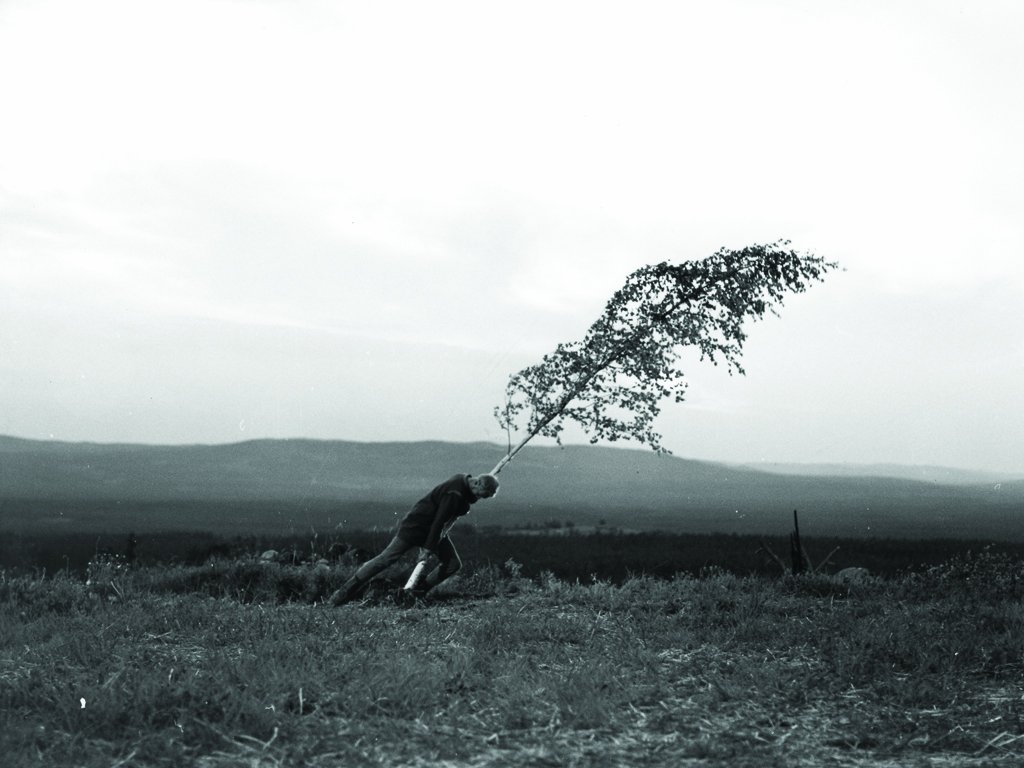
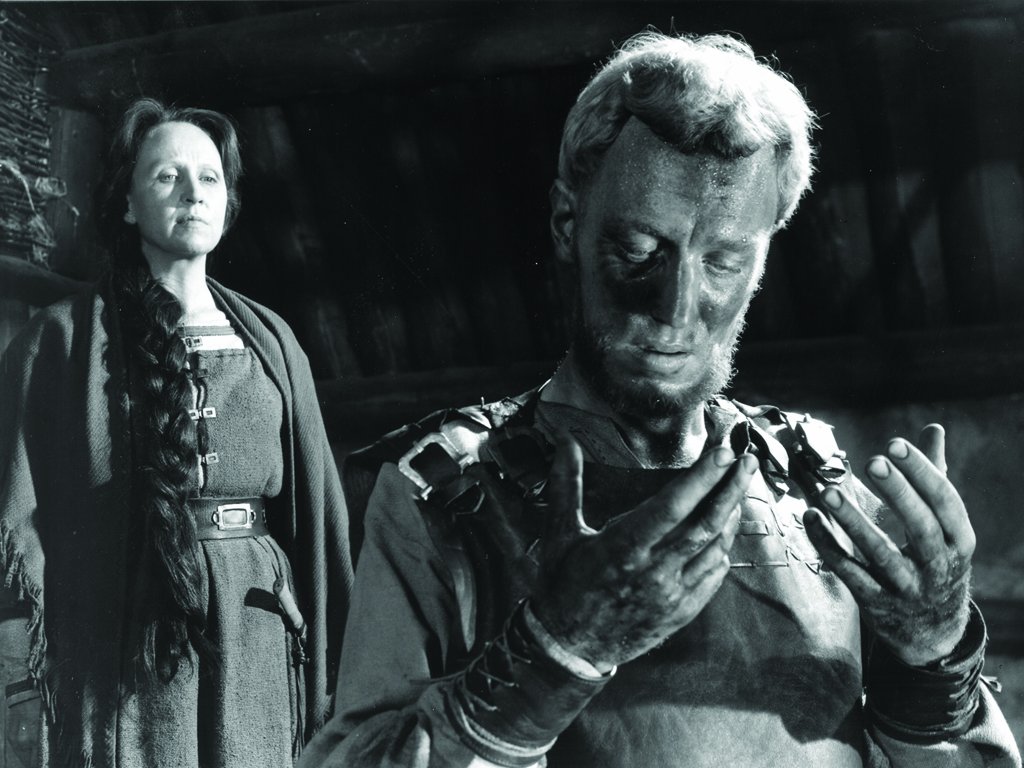
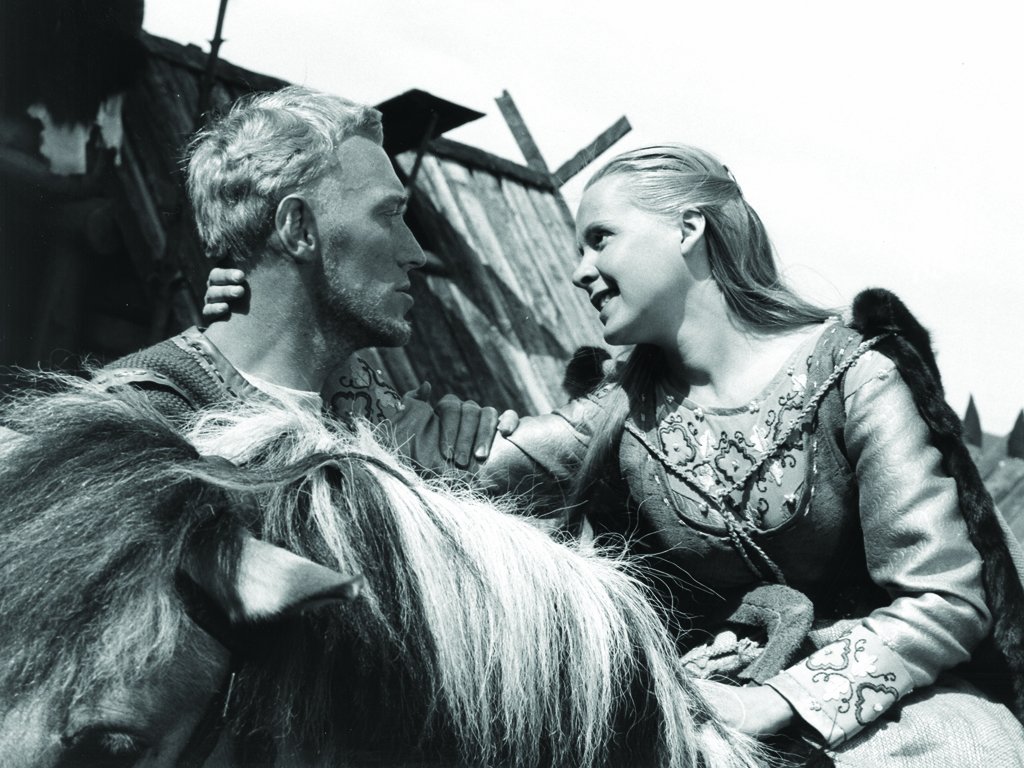
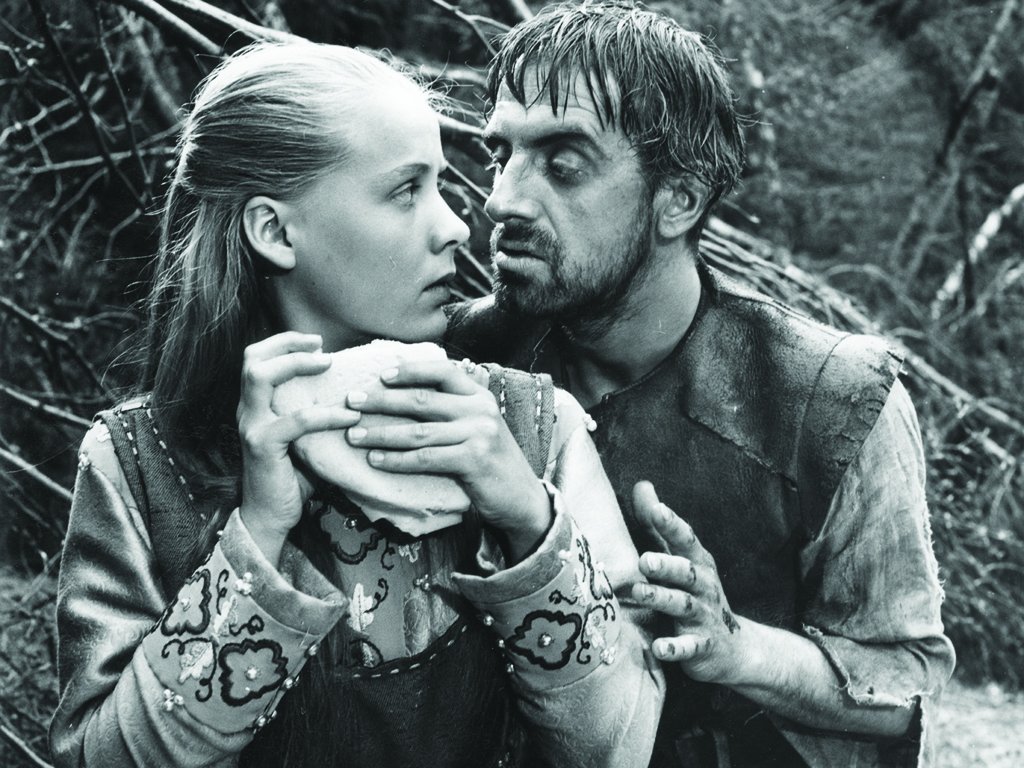
A thirteen-century ballad provides the conceptual source for the Virgin Spring written by novelist and screenplay writer Ulla Isaksson. The ballad is titled, Töre's Daughter at Vänge, and there are evidently several versions of this ballad. Isaksson used the ballad to retell the legend of a virgin's harrowing doom amidst the dark ages. As the legend goes, a virgin met a brutal demise and the location of her death became the origin of a spring with healing powers. Those interested in the legend should know that there is a spring connected with the legend located in central Sweden where people gather to celebrate midsummer and enjoy the healing powers of the spring. Whether the spring actually has healing powers is for each reader to decide, but the legend serves as terrific base for a brilliant story.The Swedish director Ingmar Bergman found the idea appealing and gave it his own cinematic treatment, which went on and won his first Oscar. What is interesting is that Bergman usually writes his own material, but with the Virgin Spring, he made one of a few exceptions and directed a film based on someone else's written work. For a film such as the Virgin Spring, Bergman is the best possible choice as a director, as he has a keen understanding for Christianity and human psychology. Bergman's awareness captures the audience much like Munch's paintings where the anxiety and emotional pain emerge in the moment when the work connects with the audience. It is all in done through his meticulous direction that does not leave anything aside, as his cinematic artistry evolves into something grander than illustrated on the silver screen. Thus, Bergman has the perfect mind and creativity to seize the psychological oppression of the dark ages where guilt and fear are the driving forces behind humanity and divinity.Over a fireplace stands Ingeri (Gunnel Lindblom) in the opening of the film with fierce wildness in her eyes, as she breathes life back into the fire. Symbolically, it offers a notion to pagans that frequented the countryside when Christianity had just begun to spread in the northern nations of today's Europe. Ingeri is up early before anyone else, taking care of the important chores on a farm somewhere in the dark woods of Sweden in a time when people still believed in the trolls, witches, and other sinister creatures. Her back is aching from an illegitimate child that she bears within, as she carefully checks the room to see if she is alone. When she is certain of her solitude, she looks through the ceiling hole towards the sky and pleads to the highest god in Norse mythology, Odin, for aid. At the time, if caught it could possibly mean a certain death for Ingri, if reported to authorities. The opening presents a time of fear and spiritual oppression, as Ingeri performs this early morning ritual in great secrecy.Contrastingly, an introduction to Christianity of the time emerges through Töre (Max von Sydow) and his wife Märeta (Birgitta Valberg) praying before a crucifix. They pray to God for protection from temptations, shame, and dangers. It is evident that both Töre and Märeta are devoted Christians, and live strictly by the gospels of the lord. The scene initiates a strong presence of Christian values that continues throughout the film, including the seven deadly sins and the seven virtues. Märeta even demonstrates her apprehension to what might happen, if they are to do wrong. The whole film seems drenched in heavy guilt burden by fear of misdoing, or of past transgressions. The guilt and fear becomes two overwhelming forces that steer the film in its intended direction, as it displays how each sin emerges from of a previous sin.The film's opening leads the audience to learn that Märeta spoils her daughter Karin (Birgitta Pettersson), as the fear of loosing her only daughter has dug its claws deep within her. It leads Märeta to have a relaxed attitude towards Karin, which seems to trouble Töre, because Karin has become both vain and lazy. In addition, the mother's constant sheltering of the daughter has brought about an extremely naïve character within Karin, as she is completely unaware of the dangers in the world. Meanwhile, Ingri has a deep-rooted envy for Karin, probably due to her tedious and difficult chores from which Karin is completely protected.As a virgin, Karin is the only one suitable to deliver Virgin Mary candles to the only church that lays some distance away. Unaware of Ingeri's hatred, Karin requests that she come along. However, before they set off Ingri curses the ration intended for Karin with a toad in the hope of her demise, or other evil misfortune. Whether the curse works or not depends on the fate of the believer. On the trip they come across a number of interesting characters before Karin stumbles upon her looming fate. They all play stimulating roles, which adds additional drama while it helps convoluting the story in an interesting way. However, it is not until Karin meets three brothers that she enters the phase that will seal her fate. The tension of wickedness lingers like the big bad wolf circling the little red riding hood, but here there is more than one perpetrator.An interesting thought in regards to innocence emerges during the viewing, as Karin naïvely expects nothing but goodness from all she meets. It is obvious she is unaware of the lurking dangers of the world, and as previously mentioned much is due to her mother's overprotective tendencies. This innocence is incapable of harming anyone, as it clearly embraces the virtues of Christianity with zealous dedication. The notion of her virtuous ideals appears clearly, when she welcomes the three brothers to break bread with her before they make her realize the existing evils. In the light of the crime, the concept of virginity provides a symbolic reference to goodness.Amidst the thick Christian theme burden by both anguishing guilt and psychological fear of what if captures the true spirit of the medieval times. Bergman even suggests that no one is without sin, even the virgin Karin shows signs of sloth while all others present one or more of the seven deadly sins. Ingri, who witnesses the dreadful event in the wood opening, plays a significant part in regards to the sin. Both Märeta and Töre also display error that takes the shape of one of the seven sins. The gruesome, yet excellent Se7en (1995), where a serial killer carries out his heinous crimes after the seven deadly sins - gluttony, lust, greed, envy, sloth, pride, and eventually wrath vaguely resembles the path of the Virgin Spring. In the end, the Virgin Spring provides a strongly spiritual film that provides an authentic ambiguous atmosphere that displays the anxiousness and guilty conscience of the time. It also offers much contemplation in regards to the moral values and the importance of ethics among people, which ultimately turns into a truly spectacular cinematic experience.
G**K
The Problem of Evil
Bergman was the son of a Christian pastor and a lifelong atheist. He spent considerable intellectual capital trying to work out why humans were so desperate for a God. He also devoted significant artistic effort to depicting a world where people call out to God but God doesn't answer.The Virgin Spring is set in medieval Sweden, a time when Christianity was ascendant, but some people still prayed to their old pagan gods. In the opening scene, Ingeri, a foster daughter, invokes Odin to call down a curse on Karin, the favored only child. In the next scene, we see the patriarch Tore (Max Von Sydow) and his wife Mareta (Birgitta Valberg) praying to a lurid statue of Christ on the cross. The rest of the movie goes deep into this tension between the forbearance of Jesus and the bloody justice of the Norse pagan gods.The story, based on a 13th century Swedish ballad, is simple and stark. Karin, accompanied by Ingeri, sets off to deliver some candles to the church. While riding through the woods they get separated. Ingeri meets an old hermit, a pantheist, who shows her his secret stash of magic relics. Repulsed, she flees deeper into the forest. Karin meets two goatherds and their younger brother, and offers to share her lunch with them. They lead the naïve girl to a glade by a stream, and there they rape and murder her. They strip her of her fine clothing, intending to sell it, and flee.Unfortunately for them, the first farm they come to is Tore's. Unaware of what has happened, Tore gives them dinner and a bed for the night. After dinner, the goatherds offer Karin's blood stained dress for sale to her mother. Hiding her shock, she hurries away to tell Tore. Without hestitation, Tore prepares himself with a purifying bath, then bursts into the guesthouse and takes revenge on the goatherds. In a final act of rage, he kills their younger brother as well.Ingeri returns during the night, and the next day she leads them to Karin's body. When Tore lifts up his daughter's corpse, an underground spring gushes forth from beneath her. In a masterful scene, shot almost entirely from behind Tore, we watch him absorb the emotional impact of his daughter's death like a body blow. He raises supplicating hands to demand of his God why He let this happen. He then decides to build a sturdy church on this spot. It's his way of trying to control and appease the inexplicable evil that has descended upon his life, and, perhaps, his way of atoning for the evil he has done in return.Christianity has struggled for centuries with this simple question: if God is so just, all-powerful and merciful, why does he allow so much evil to exist in this world? Christianity's most pernicious and effective response is found in the story of Job. It's pernicious because it blames the victim for his own misfortune, which is all the justification generations of psychopaths, warlords and totalitarians have needed to inflict their evil on innocent people who can't or won't strike back. It's effective because it locates the response to misfortune in the only place a human can control, which is his own reaction to what befalls him. Bergman, like Dostoievski's great apostates, cannot respect a God who allows the rape and murder of a young girl. Not respecting, he also doesn't believe.For Bergman, nothing exists beyond human actions and their consequences. Tore knows that killing the goatherds won't assuage his anguish, and that killing the boy is morally questionable at best. Yet neither he nor Mareta hesitates in the slightest when it comes time to take revenge. Bergman is showing us what a difficult God this Jesus is. As Dostoievski pointed out so brilliantly in The Grand Inquistor chapter of the Brothers Karamazov, Jesus is both too much like us to obey without question and too pure in his responses to emulate successfully. In the end, having taken a bloodthirsty, pagan revenge, Tore is praying to a God whose example he can't follow and who can't or won't protect him from the suffering of this world. These intellectual contradictions and emotional conundrums are the polluted springs from which flowed the dour, life-denying Christian Protestantism inflicted on Bergman as a boy.This is the first feature length collaboration between Bergman and Sven Nykvist. Nykvist captures the war of sunlight and shadow that occurs during early spring in the northern latitudes. He also provides some vivid tracking shots through the latticework of the unleafed forest. Lingering closeups on faces became a Bergman trademark. Here they work to great effect, showing us Karin's spoiled innocence, Ingeri's conflicted resentment, Tore's ambivalent rage.The Virgin Spring is one of Bergman's greatest achievements. By refusing to impose a viewpoint on his simple story, he gives us the room we need to absorb its tragic and universal dimensions. This movie stays with you long after the credits stop rolling.
E**F
Mesmerising but disturbing film
This story is based on an ancient medieval legend at a time when Christianity and pagan beliefs still flourished side by side. Be warned, the film is violent. It graphically depicts the rape and murder of a virgin (who was cursed for her beauty as well as her pride by her jealous stepsister) by two goatherds, followed by the equally graphic retributive murder of the perpetrators by her father. The site of her death becomes sanctified by the emergence of a spring of pure water. Normally I don't do 'trigger warnings' but in this case I make an exception. There are terrible philosophical dimensions to ponder in the film, as one crime begets another. Shot in black and white, it is a mesmerising watch but a disturbing one.
I**I
Up there with Bergman's The Seventh Seal...
A cinematic, monochrome, masterpiece; atmospheric in its depiction of a medieval world in which the old way - Norse gods - and Christianity collide and vengeance is graphically depicted... comeuppance, karma, call it what you will - justice is served by Max von Sydow and the peasants receive their just deserts. I first saw this film over thirty years ago and its impact has yet to diminish... innocence is destroyed by ignorance and brutality... but God works in mysterious ways - watch the film and find out.
M**E
Wrong aspect ratio encoded - 4x3 but plays as wide.
Great digital copy of a great film, but on both my new and my older players it announces itself as wide and plays that way, though it should be 4x3.Easy to override on my old kit, but a real pain on the newer 'intelligent' one.
P**
Very good my friend.
Ok
D**G
A gripping mediaeval drama.
Blood-curdling and believable mediaeval drama. Revenge for a barbaric deed is achieved equally barbarically. The plot has overtones of present-day barbarism. Both von Sydow and Lindblom excel in their role-playing.
ترست بايلوت
منذ شهر
منذ شهر